0
0

BADIN, April 17: Speakers at a seminar observed that lack of education and poor female health and hygiene set-up is a major cause of the second rate status given to women in the society. The seminar on the subject of “women and health” was organized by National Action Plan (NAP) Sindh chapter, here on Saturday. The speakers were of the opinion that gender discrimination was a key factor affecting women’s health. Majority of the participants held poverty another major reason affecting women’s health and hygiene.
From infancy, the girl child is maltreated whether it is concerned nutrition or overall health and its impact is reflected in old age, they said.
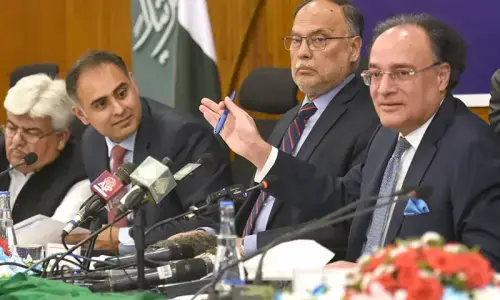
Dr Saeeda Malik, provincial Minister for Women Development, speaking at the seminar, said that the government was committed to solving health problems of women and had earmarked a huge amount to initiate different projects focusing on socio-economic empowerment of women.
“The government must be urged to address the issues of concern of rural women through effective implementation of women welfare programmes”, she said.
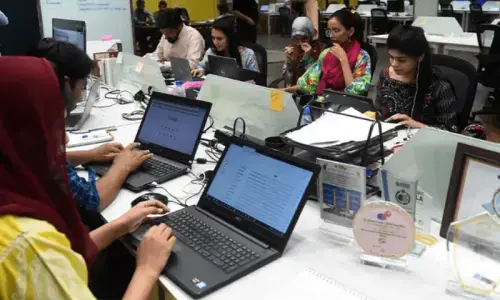
She said that the Women Resource Centre and skill display centre would be set up in Badin so that women could be able to attain necessary training and information and earn from their handicrafts. She disclosed that 1500 women were imparted computer training in Karachi and equal number of women would be imparted computer knowledge in each district. She said women welfare centres would be established in each district so that women could be benefited through these centres.
On this occasion, Sindh minister for population and welfare, Syed Ali Bux Shah said that involvement of women in national and provincial and local governments was a great achievement and a bold step on the part of present regime.
This trend had opened new venues for the progress and prosperity of the women folk, he said. Mr Shah said that “encouragement by affirmative action policies, women in the country today are confident, dedicated, dynamic and progressive.
DCO Badin, Syed Mumtaz Ali Shah, social worker Najma Junejo, EDO health, Dr Ali Nawaz Abbasi, programme officer National Rural Support Programme, Dr Ruqaya Leghari, Khadim Talpur and other representatives of NGOs also spoke on the occasion.