0
0

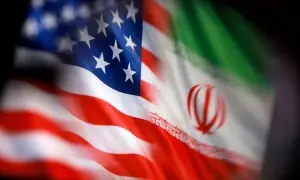
VIENNA, Jan 28: The United States, determined to prevent Iran from building nuclear weapons, is piling pressure on European firms to stop them doing business with Tehran, diplomats say.
In turn this is making it harder for Europe to offer Iran economic incentives to persuade it to abandon nuclear processes that could be used to build weapons. "They're being pressured by Washington. Major European companies are unwilling to deliver," an EU diplomat said. "This means we really have no incentives to offer Iran at this point."
Although publicly the United States is saying it wants to stop Iran acquiring equipment for a military nuclear programme, it is interpreting this very widely to cover any "dual use" goods which could be used for either civilian or military purposes.
In November, US ambassador Jackie Sanders told the board of governors of the International Atomic Energy Agency, the UN nuclear watchdog, that selling even small items with potential military use would be punished.
"We want any proliferators, from multinational conglomerates to small exporters of dual-use machine tools, to understand that the US will impose economic burdens on them, and brand them as proliferators," Sanders said. The pressure seems to be working, diplomats say, by deterring European companies wary of damaging their business in the United States from trading with Iran.
Among firms that have told their governments they will stay out of Iran for now are German engineering giant Siemens, French state-controlled nuclear giant Areva, German steel firm ThyssenKrupp and British oil major BP, industry sources and diplomats say.
COMPANIES SAY NOT CONSULTED: Senior officials from some companies - such as BP and ThyssenKrupp - have already discussed these issues publicly. Areva has told its government that it did not want to do anything to harm its US sales, a French source familiar with the case said.
French electricity group EDF and the French Atomic Energy Commission are also concerned, the source said. The same applied to Siemens and other German firms, diplomats said. "German industry told the government that it will not get involved in Iran," one source said.
The new reticence of European companies in turn is blunting efforts by France, Britain and Germany to persuade Iran to abandon nuclear processes that could be used to build weapons in return for economic incentives.
Among these incentives, the EU's "big three" have promised to help Iran cut deals with EU firms in civilian nuclear, aeronautic, telecoms and other industries. European diplomats complained about the US increasing pressure on trade just as the European governments were trying to persuade Iran to accept economic incentives. -Reuters