US Iran Rift
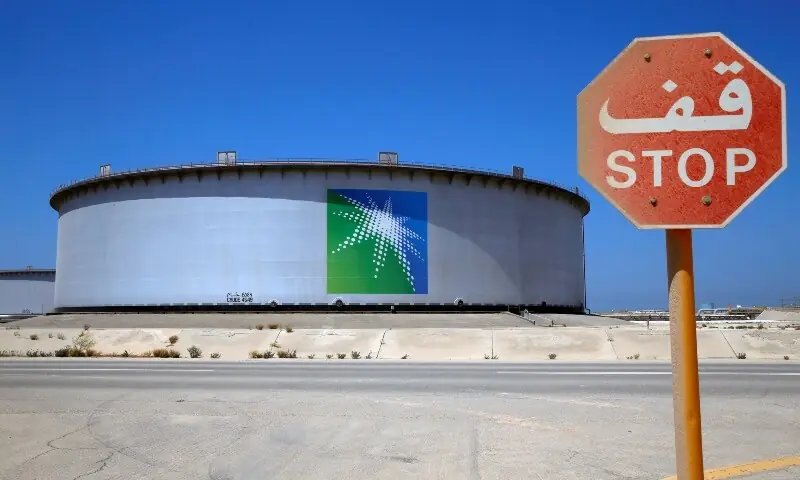
Middle Eastern producers had been ramping up oil and gas output and exports in the lead-up to the interim deal between the US and Iran.
Published 26 Jun, 2026 02:25pm
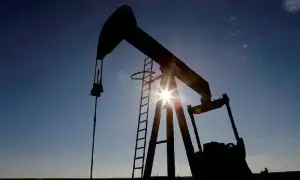
Brent oil and WTI crude are both headed for losses of around 8pc this week.
Published 26 Jun, 2026 12:25pm
US rejects any tolls on shipping through the strait; Secy of state extends security reassurances to Gulf allies.
Updated 26 Jun, 2026 08:24am
A new regional security bloc would likely meet fierce resistance from the US, Europe, Israel and India.
Updated 27 Jun, 2026 07:51am
Discounts, demand and tech upgrades will decide prospects for refining heavy crude grades.
Published 26 Jun, 2026 07:11am
"No country on Earth has the right to charge for the use of international waterways," he says at GCC meeting.
Updated 25 Jun, 2026 08:30pm
“We now have to become an economic power," he says.
Published 25 Jun, 2026 01:16pm
The strike on February 28, when the US and Israel attacked Iran, killed more than 175 children and teachers.
Published 25 Jun, 2026 10:58am
“The American people need to know more than we are being told,” says Senator Bill Cassidy.
Published 25 Jun, 2026 10:14am
Israel is the biggest source of instability in the Middle East, and it is high time the US ended its blind support to Tel Aviv, if it genuinely wants peace in the region.
Updated 25 Jun, 2026 07:40am
Marco Rubio says no country will be allowed to impose tolls on Strait of Hormuz.
Updated 25 Jun, 2026 07:58am
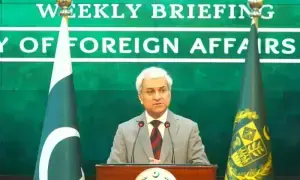
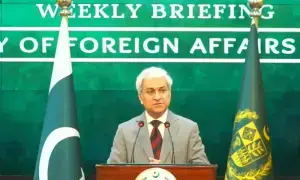
FO expects US-Iran technical talks to resume on Tuesday; hopes Hormuz tensions will ease with diplomatic progress.
Updated 25 Jun, 2026 07:46am
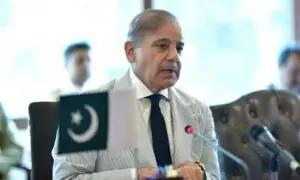
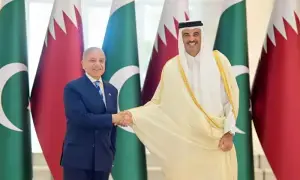
Premier speaks to Qatari ruler, Tabuk governor; stresses need to protect talks from ''spoilers"; insists momentum must continue for "successful outcome".
Updated 25 Jun, 2026 07:36am
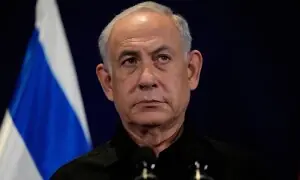
The war Netanyahu hoped would cement his legacy as the leader who confronted Iran may be remembered as the conflict that dismantled his power.
Updated 25 Jun, 2026 01:18am
Says he held a phone call with Qatari emir, thanked him for his country's “steadfast support for peace efforts that culminated in historic Islamabad MoU”.
Updated 25 Jun, 2026 12:02am
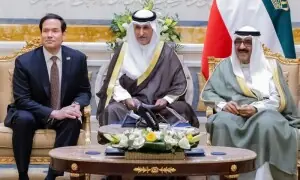
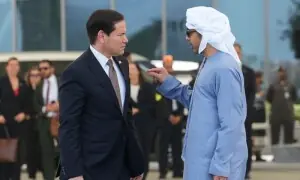
Efforts to secure full and safe transit through the Strait of Hormuz also discussed in meeting between Rubio and UAE president.
Published 24 Jun, 2026 04:27pm
FO spokesperson says recognition of Pakistan's constructive role in promoting peace "reflects the international community’s trust" in the country.
Updated 24 Jun, 2026 01:13pm
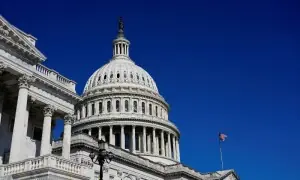
The measure, adopted by the Senate in a 50-48 vote, directs Trump to remove US forces from hostilities with Iran unless Congress explicitly authorises military action.
Updated 24 Jun, 2026 08:24am
WASHINGTON: The United States eased restrictions on the Iran squad’s travel arrangements at the World Cup on...
Published 24 Jun, 2026 06:10am
Rubio arrives in Middle East to convince Gulf leaders on Washington-Tehran deal
Published 24 Jun, 2026 06:09am
Perhaps a good place to start would be the resumption of work on the Iran-Pakistan gas pipeline.
Updated 24 Jun, 2026 07:25am
A fragile peace has ended the US-Iran war, yet the fighting has rewired the balance of power across West Asia, handing Pakistan a pivotal role.
Published 23 Jun, 2026 03:35pm
Opposition walks out as Speaker Sadiq responds to Mehmood Khan Achakzai's criticism of him; opposition leader also accuses govt of “clipping the wings” of the judiciary and “trampling the Constitution”.
Updated 23 Jun, 2026 05:10pm
Says Strait of Hormuz should be restored to pre-conflict status, which “means no fee and no toll at all”.
Updated 23 Jun, 2026 01:35pm
Removing the remaining sanctions — if it happens — will represent a stark change in US policy toward the Middle East.
Published 23 Jun, 2026 10:47am
Pezeshkian meets PM Shehbaz, President Zardari during Islamabad trip; discusses "peace initiatives" with CDF Munir; FM Araghchi also on visit.
Updated 24 Jun, 2026 10:51am
Pakistan, Qatar say agreement reached on a "roadmap towards a final deal within 60 days"; Tehran, Washington agree to establish communication lines on Hormuz.
Published 23 Jun, 2026 07:24am
The text does not say who will contribute to the fund; Saudi FM stresses rebuilding trust "before any concept of economic cooperation".
Published 22 Jun, 2026 10:37pm
The key question is whether airlines can keep recent fare increases as fuel prices ease.
Published 22 Jun, 2026 08:03pm
Will meet with President Zardari, PM Shehbaz; both sides to review bilateral relations, discuss diplomatic engagements following Islamabad MoU.
Updated 23 Jun, 2026 12:07am