Pakistan has earned recognition for it through years of quiet, consistent engagement, and that recognition is likely to keep growing as the region continues to change.
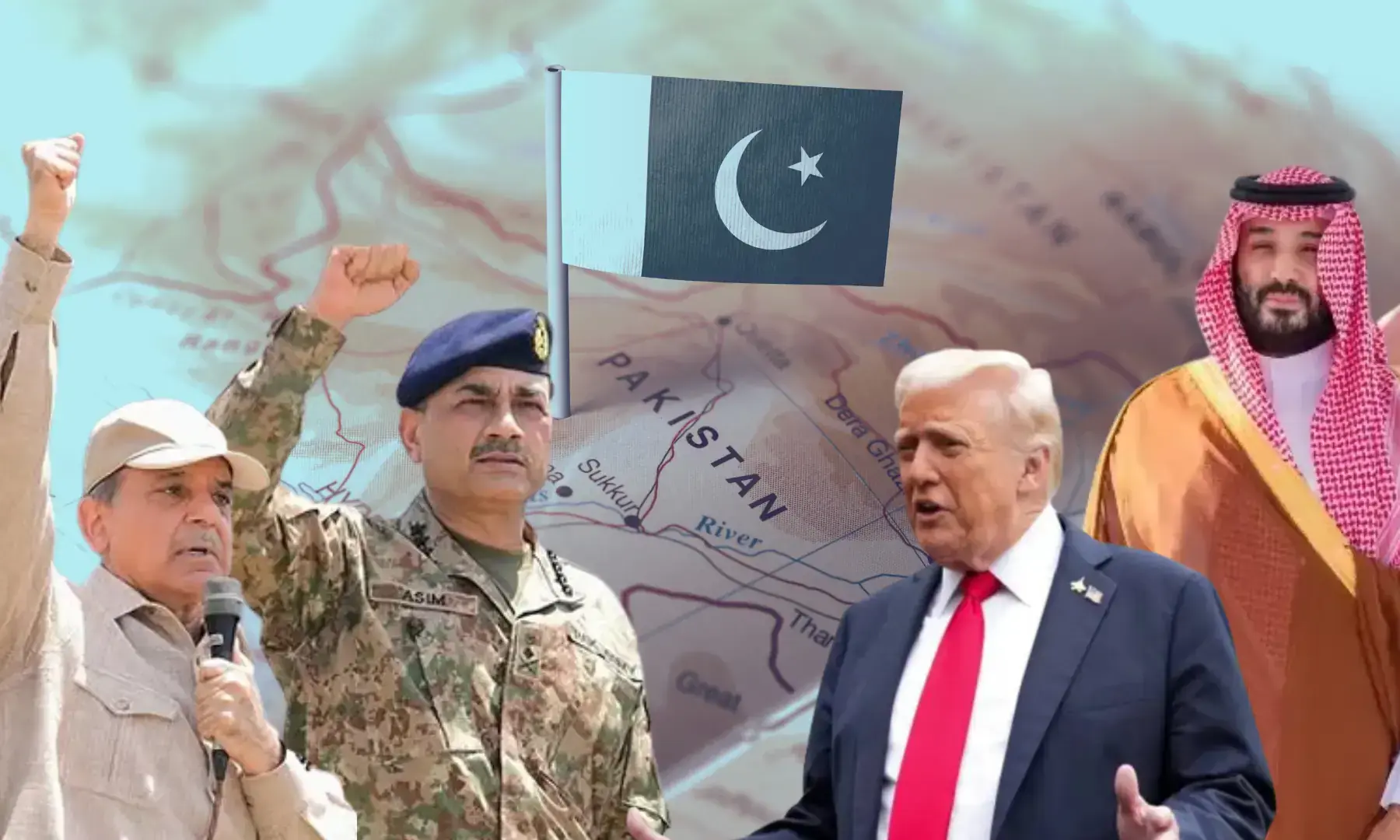
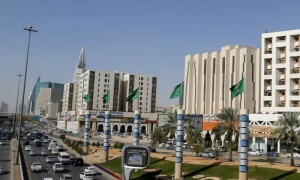
At a time when the Gulf's two most consequential powers are pulling regional security in opposite directions, the question of where Pakistan plants its flag is not an academic one.
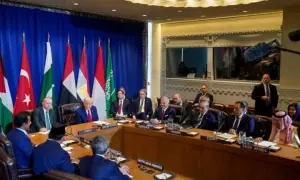
"Such developments represent a real opportunity to achieve a comprehensive and sustainable ceasefire," FO statement citing foreign ministers of eight countries says.
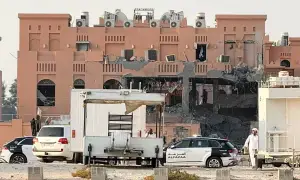
Israel’s attack on Doha has pierced the myth of the American security umbrella, leaving Gulf states to question whether Washington can still shield them in a fracturing Middle East.
Islamabad terms attack "illegal, unprovoked, and a threat to regional stability"; Israel invokes US raid that killed bin Laden in Pakistan to justify strike in Doha.
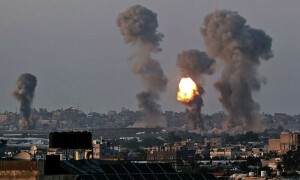
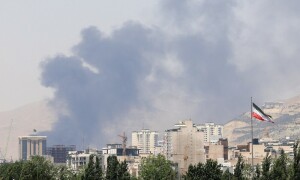
A direct Iran-Israel war has shattered old balances, forcing Middle Eastern capitals and global powers to reassess strategies as nuclear fears and shifting alliances reshape the region’s future.
The region holds its breath, waiting to see if the recent developments mark the end of the conflict between Tehran and Tel Aviv or the beginning of the third world war.
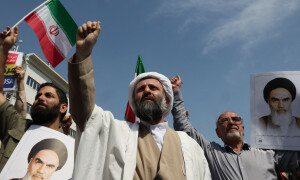
Israel sees in Iran a state it aims to destroy, not because it is worried that its black-turbaned fundamental clerics will get the bomb, but because it sees in Iran a worthy adversary.
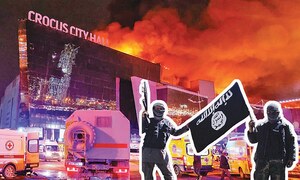
Last July’s attack in Bajaur, January’s attack in Iran and the recent one in Moscow show that ability of the group’s franchises to stage spectacular acts of destruction worldwide remains.
“New process will continue to grant and ensure that all diplomats of non-Muslim embassies have access to these products in specified quotas,” govt says.