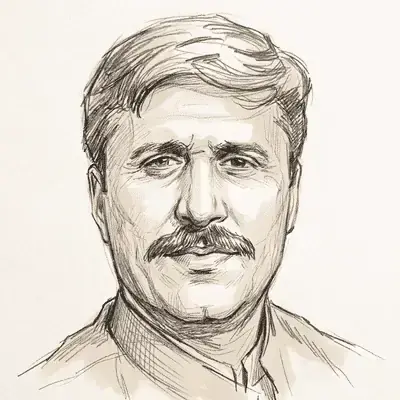
• Ahsan Iqbal proposes incentives under NFC for provinces managing population growth
• Projections say population can reach 389.9 million by 2050 even under a slow-decline scenario
ISLAMABAD: Planning and Development Minister Ahsan Iqbal on Tuesday warned that unchecked population growth could become a “social bomb” and a major obstacle to Pakistan’s economic progress, urging urgent reforms to address the rising demographic pressure.
He cautioned that if current trends continue, Pakistan could end up producing a largely unskilled workforce instead of a trained and productive labour force, adding that the country’s population growth rate is now being compared with some of the world’s least developed countries, which he termed alarming for a nuclear state.
He said that while earlier assessments suggested a slowdown in population growth, the 2023 census revealed a far more serious situation.
His remarks came at the launch of the National and Provincial Population Projections 2023-2050, which painted a stark picture of Pakistan’s demographic future.
Addressing the event, the planning minister proposed linking population management with fiscal incentives, saying that 82pc of resource distribution under the National Finance Commission (NFC) Award is currently based on population share.
He suggested that the provinces which successfully manage population growth should be rewarded through incentives and recognition, arguing that there is currently no effective mechanism encouraging the provinces to reduce population growth rates.
According to the report, the country’s population is projected to rise from 241.5 million in 2023 to 389.9m by 2050 under a slow-decline scenario, and to 371.9m under a rapid-decline scenario.
The number of children below 18 years is expected to increase from 117.9m to 139.7m during the same period, while the working-age population (15-64 years) is projected to rise sharply from 135.2m to 255.4m.
The report highlighted that the faster growth of the working-age population relative to dependents presents a potential demographic dividend, provided sufficient investment is made in education, health and employment.
It projected that the youth population aged 15 to 29 years will rise from 62.95m to 99.76m by 2050, while the elderly population aged 65 and above is expected to increase from 8.6m to 22.6m, underscoring growing needs for elder care and social protection.
The report noted that in 2023, about 67 per cent of Pakistan’s population (161.1m people) was under the age of 30.
By 2050, although the absolute number of people below 30 is expected to increase to 211.6m, their share in the total population will decline to 54pc, reflecting a gradual shift towards an ageing population structure driven by falling fertility and rising life expectancy.
Published in Dawn, May 13th, 2026