• Global energy landscape set for lasting shift as conflict deepens, senator warns
• Pakistan’s role in securing ceasefire highlights its growing diplomatic relevance
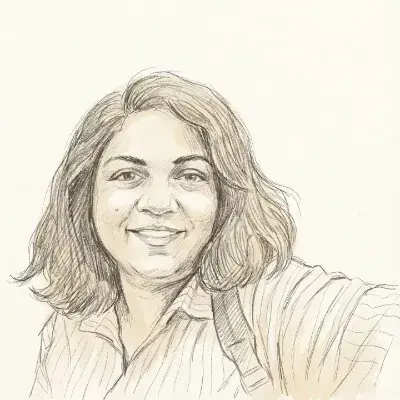
KARACHI: “Since World War II, this has been a century of extreme war. The Iran-US war has brought the dangers of an unstable century into every home, factory, farm and school,” said Senator Sherry Rehman, who was proud of her country, Pakistan, for playing an important role in establishing peace and achieving a ceasefire.
She was giving a talk about ‘Navigating War and Peace: Pakistan in a Volatile Century’, organised by the English Speaking Union of Pakistan (ESUP) at the Beach Luxury Hotel here on Wednesday.
“But while the blockages continue, we have two energy titans, the Kingdom of Saudi Arabia and Iran, other countries such as China, Russia, and obviously the United States, everyone impacted in different ways.
“While Europe has remained fairly aloof, the battleground is now energy and security,” she pointed out, adding that the global energy map would change permanently after this war.
“After energy, everything follows. In a way, because of the strategic nature of the Strait of Hormuz, we are going to feel the impact worldwide. The surge in oil prices and in commodities will impact all. It is a very real long-term crisis that we are looking at for countries and populations dependent on energy. It is not something that will go away. There will be no victors, however it plays out,” she said.
“The world is rapidly moving towards an unpredictable and violent multi-polar system,” she said.
“Many countries will now look at single-interest mini-laterals to survive. They may get together in a region, but they will be of single interest in my view. They will pursue a single interest together and work with other countries on other interests. It will require very high diplomatic agility,” she added.
Turning to Pakistan, she said that Pakistan must understand that it “has only 11 days of crude oil reserves”, and that 81 per cent of Pakistan’s energy supplies pass through the Strait of Hormuz. She added that Pakistan receives 54pc of its remittances from Gulf countries.
“War affects the global fertiliser supply, and prices have risen by 41pc. Pakistan’s agricultural production is being severely affected by expensive fertilisers and rising costs,” she pointed out.
“Developing countries depend on the old world order. But the old world order has been in the ICU for a while, and the new world order has not stabilised,” she said.
She also said that conflicts in South Asia, including Kashmir, are a major obstacle to peace. “Miscalculations between India and Pakistan could increase the risk of nuclear conflict. And, as it is, Pakistan-Afghanistan tensions have jeopardised regional security. “But,” she said, “Pakistan is once again emerging as a global mediator.”
Published in Dawn, April 30th, 2026