Only 37 of 1,800 Hindu, Sikh worship sites functional in Pakistan, minority caucus told
ISLAMABAD: Pakistan has 1,285 Hindu worship sites and 532 gurdwaras, but only 37 are currently functional, mainly for two reasons including the negligible population of Hindu and Sikh communities in those areas and the lacklustre performance of the relevant authorities in maintaining these places of worship.
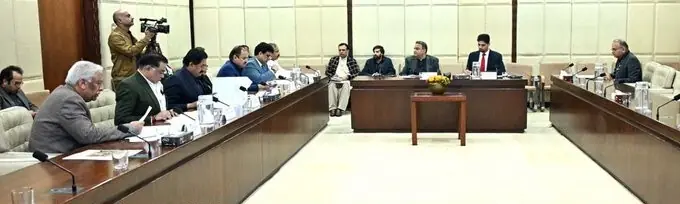
The data was presented before the first meeting of the Parliamentary Committee on Minority Caucus held here on Wednesday.
Convener of the meeting, Senator Danesh Kumar, stated that the caucus would work to ensure that constitutional guarantees for non-Muslims are translated into practical safeguards and policy reforms.
Addressing the meeting, Dr Ramesh Kumar Vankwani criticised the Evacuee Trust Property Board (ETPB) for failing to maintain properties, especially the places of worship belonging to Hindus and Sikhs.
The committee recommended that the chairman of the ETPB should be a non-Muslim and stressed the restoration of all worship sites to safeguard religious heritage and ensure equitable access for non-Muslim communities.
The members expressed confidence that the forum would ensure that the rights of minorities were effectively tabled, discussed and resolved.
Meanwhile, responding to a query by Dawn, MNA Kesoo Mal Kheal Das said that most temples and gurdwaras were abandoned as local communities had left the area in 1947. However, he added that the government should maintain them as heritage sites and for visits and worship by Hindus and Sikhs from other parts of the country.
The committee stressed the need for a revision of educational policies to ensure scholarships for minority students, the removal of hate speech and discriminatory content from English and Urdu curricula, and restricting religious viewpoints to the relevant religious syllabus only.
It was also discussed that the existing 20-mark quota for students of Hifz-i-Quran may be extended to minority students in an equivalent form.
The members demanded an increase in the employment quota for non-Muslims and stressed that senior officials, not below the rank of additional secretary, must attend caucus meetings.
The caucus adopted the TORs unanimously and reaffirmed its commitment to advancing the rights of non-Muslims in accordance with constitutional mandates and national values of equality, justice and religious freedom.
Those who attended the meeting included Poonjo Bheel, Khalil Tahir Sandhu, Dr Mahesh Kumar Malani, Nelson Azeem, Ramesh Lal, Naveed Aamir and Sanjay Perwani.
Published in Dawn, December 4th, 2025