ISLAMABAD: Pakistan rowed back on Tuesday from demands that text messages containing nearly 1,700 “obscene” words should be blocked, following outrage from users and campaigners.
On November 14, the Pakistan Telecommunication Authority (PTA) distributed a list of 1,695 words in English and Urdu, the national language, to operators, giving them seven days to implement a filtering system.
But the list was met with uproar, both at the attempt to censor messages and the inclusion of many seemingly innocuous terms, among them “Jesus Christ”, “lotion”, “athlete's foot”, “robber”, “idiot”, “four twenty” and “harder”.
On Tuesday, PTA spokesman Mohammad Younis Khan told AFP the authority would consult civil society representatives and mobile phone operators on refining a much shorter list of words, giving no timeframe for any eventual ban.
“At the moment we are not blocking or filtering any word,” Khan said. “No final decision has been taken in this regard,” he added.
A PTA committee with representatives of civil society and mobile phone operators will decide on a “final list of objectionable words” which Khan conceded could be only around “a dozen”.
“We have no plan to block any word until and unless it is approved by that committee and it will take time to reach that decision,” he added.
A letter accompanying the list on November 14 said filtering was legal under the Pakistan Telecommunication Act of 1996 which prohibits people from transmitting messages that are “false, fabricated, indecent or obscene”.
The PTA on Tuesday claimed that the November 14 list was merely “preliminary” and “advice” for operators to adopt a filtering system.
Mobile operators have already detailed their “concerns and reservations”and said they would seek further clarification from the PTA.
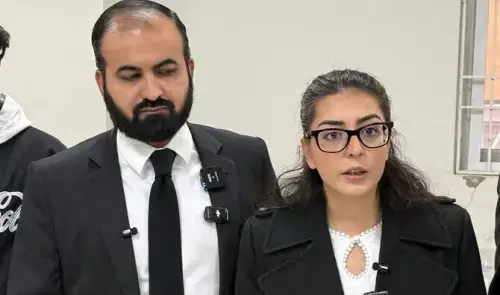
“Most of the words mentioned in the list are used legally,” lawyer Syed Mohammad Tayyab told AFP.
“Like 420. It is a section of the Pakistan Penal Code,” he said.
“The PTA policy is unjust and unfair on the face of it. It needs judicial review,” said Tayyab, who is also a senior prosecutor in terrorism cases.
Campaign group Bytes for All had vowed to challenge the order in court, saying “a new, ruthless wave of moral policing” violated rights to free speech and privacy, and made a mockery of the entire country.