0
0

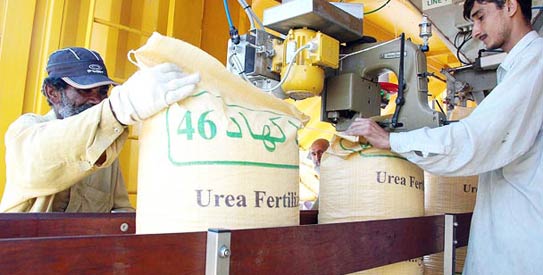
LAHORE: The fertiliser companies on Monday warned the government against, what they called, coming “Tsunami for agriculture sector” unless it either restores full gas supplies to manufacturing plants or plan imports.
Addressing a joint press conference, the CEOs of major manufacturing companies Pak-Arab, Dawood Hercules, Agritech and Engro claimed that the government was sleep walking into situation, which would threaten the Rabi season and, resultantly, food security of the country.The cost of import is simply humongous: $600 million foreign exchange for imports, and Rs40 billion for subsidy to bridge import price and local sale price gap. The alternative is very simple; ensure gas for fertiliser sector. The choice is with the government, they said.
“The companies were gravely disappointed on the government's sudden curtailment in the last few days that resulted in complete stoppage of gas supply to Agritech, Dawood Hercules and Engro plants,” they said.
These companies had been receiving on an average 70 to 80 per cent of their allocated gas supply for the last one month.
“The government knows how important the agriculture sector is. That is why this shutdown is baffling for the industry. They have to ensure supply on a consistent and equitable basis so farmers and the agriculture based economy are not adversely affected due to shortage of urea,” said Bilal Jaudat, CEO Agritech.
CEO of Engro Fertilisers, Khalid S. Subhani added: “During the first half of the year, the fertiliser sector received only three days of gas per week which was the lowest quantity given to any sector. This gas curtailment widened the supply demand gap for urea. On the other hand uninterrupted gas supply in August-September has resulted in prices coming down from Rs1,800 to Rs1,500 per bag (in the dealer market) due to more gas to manufacturers resulting in more production.”
The fertiliser companies highlighted that at least 700,000 to 800,000 tons of urea will still have to be imported in the next two months to meet urea demand in Rabi, requiring minimum foreign exchange of at least US$320-428 million and subsidy of at least Rs17-23 billion.
Moreover, they outlined that further gas curtailment would require more imports which would be a costly alternative to taxpayers and could create a greater shortage. As a result, urea market prices will bounce back to higher levels during the Rabi season which will increase the wheat crop's cost of production of and can impact the yields.
“We are hopeful the government will look to follow its own 2005 Gas Allocation Policy which is pro-farmer, pro-economy and pro-Pakistan,” said CEO Dawood Hercules, Rashid Lone.