1
1

NEW DELHI: India's highest court on Friday overturned a state government ban on the release of a new Bollywood film treating the controversial issue of caste quotas in government jobs.
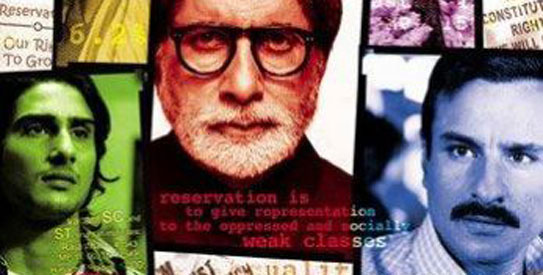
Two judges at the Supreme Court in New Delhi said the screening of “Aarakshan” (Reservation) in Uttar Pradesh state should be allowed after its release was banned for two months on law and order grounds.
The drama, starring Amitabh Bachchan, Saif Ali Khan and Deepika Padukone, has provoked widespread protests and demands for cuts from politicians and interest groups representing low-caste Hindus and other minorities.
Last week three states, including Uttar Pradesh, said they would not allow it to be shown because of what they said were derogatory references to Dalits, the community previously known as “untouchables” and the quota policy.
The film's director, Prakash Jha, challenged the ruling in Uttar Pradesh, which is run by the low-caste politician Mayawati.
“I'm happy the hearing is in our favour,” he said in an emailed statement after the ruling, adding that the case was “an important battle” for freedom of expression.
In their ruling, the judges said that Uttar Pradesh state administration had over-reached itself by banning the film before its release and that only the censor board could practise “pre-censorship”.
Directing them to lift the ban, they added: “A debate on such social issues is essential in a vibrant democracy. The state cannot take a view unless the film is shown in the state.”
Two other states that banned the film for similar reasons, Punjab and Andhra Pradesh, have now allowed its release, although with the dialogues they objected to cut.
The caste reservation system is enshrined in India's constitution and designed to give equal opportunities to marginalised groups that are officially known as “scheduled castes, scheduled tribes and other backward classes”.
The affirmative action, though, is controversial and subject to frequent legal challenges as the number of places available to disadvantaged groups varies from state to state and sometimes exceeds the legal maximum of 50 per cent.
Opponents also say it does not reward merit.
Jha denies that the film takes a stance for or against the issue.