0
0

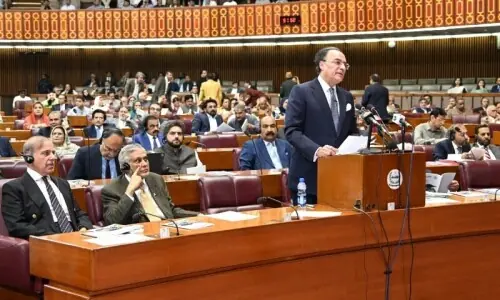
KATHMANDU: Nepal’s parliament has for the first time given itself powers to abolish the monarchy in a move that piles pressure on the already hobbled 238-year-old Shah dynasty, analysts said on Thursday.
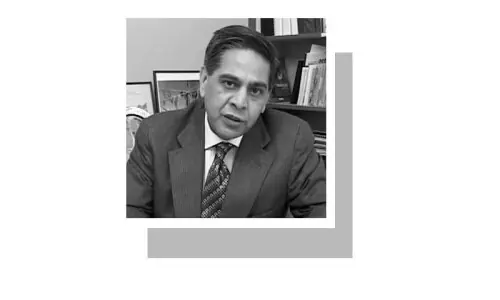
“The king has now been completely sidelined by parliament. It has now facilitated the parties’ roadmap to take the country towards a republic,” said Narayan Wagle, editor of Kantipur, one of Nepal’s leading newspapers.
Legislators passed a constitutional amendment late on Wednesday that allows for the abolition of the monarchy by a two-thirds majority vote if King Gyanendra interferes in crucial elections planned for November.
Nepal’s monarch has already been stripped of most of his powers, including his roles as head of state and army chief, since mass protests forced an end to a 14-month period of his authoritarian rule in April 2006.
King Gyanenendra was once widely revered in his kingdom as a reincarnation of the Hindu god Vishnu, but today he appears only rarely in public. His vehicle was stoned by protesters in March at a religious festival in the capital.
The monarch had often embarked on choreographed tours around the country and international trips, but now spends most of his time holed up in a massive palace that dominates Kathmandu.
The staging of an election for a body to rewrite the constitution and decide the monarchy’s fate is a key part of the landmark peace deal struck late last year between former Maoist rebels and mainstream parties.
“There was always a danger that the king would conspire against the constituent assembly polls and now Wednesday’s decision means that he cannot,” Wagle told the news agency.
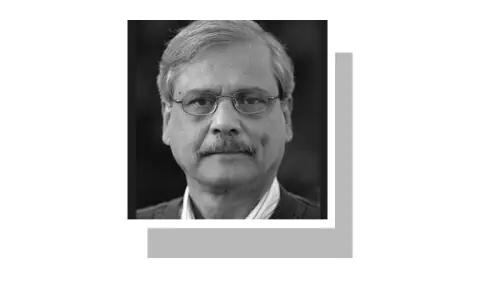
C.K. Lal, a political analyst and commentator, said the move showed that the interim parliament formed in January was now clearly more powerful than the king.
“This provision shows the supremacy of parliament over the monarchy,” Lal, a writer for the English-language weekly Nepali Times, told the news group.
The Maoists have been allotted 83 seats in the 330-seat interim parliament, and in April took five ministerial portfolios. But they continue to face accusations of resorting to violence and remain on a US list of terrorist organisations.
The constituent assembly polls have already been pushed back from June to November due to a lack of preparation, but Wednesday’s amendment means the government should be able to hold the elections on time, Lal said.
“This new provision has made it easier to hold the elections on time. It’s a positive development towards attaining a republic,” he said.
Retired politics professor and political analyst Lok Raj Baral said he did not believe parliament would be able to remove the monarchy before the vote.
“The decision taken by parliament is progressive, but the condition that they have put to remove the monarchy is not that convincing,” Baral said.
“It’s very vague to try and accuse the king of conspiring to disrupt the elections,” said Baral.
Before last year’s landmark peace deal, the Maoists had fought a bloody decade-long guerilla war aimed at toppling the monarchy and establishing a communist republic.
Since signing the peace deal they have officially renounced violence and pledged to abide by a democratic system but also stepped up the rhetoric against the monarchy.
At least 13,000 people died in the Maoist “People’s War” that ended with last November’s peace deal.—AFP