DESPITE the many advantages that Balochistan has in terms of geographical, strategic and economic significance, why has the province not been able to translate its potential into broad-based economic development? One important part of the answer lies in human capital. At the time of Pakistan’s independence, Balochistan had a relatively small population. Over the decades, its population has increased significantly alongside urbanisation and demographic changes. This increase should not be viewed simply as a burden.
A growing population can also represent a significant economic opportunity if people are provided with the necessary education, healthcare, skills and employ-ment opportunities.
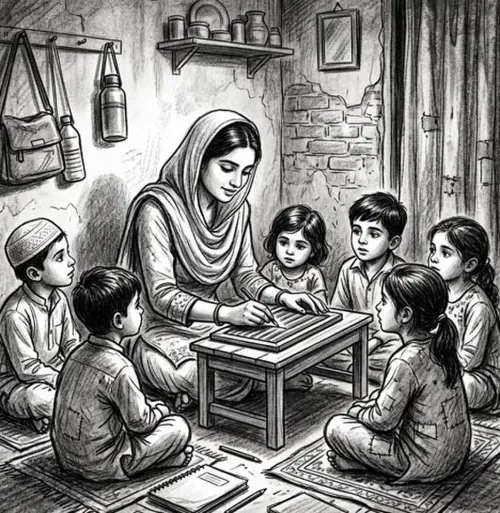
Balochistan continues to face consider-able challenges in education. Literacy remains lower than in other provinces, while many children remain outside the formal education system. The province also faces shortages in higher education, tech-nical education and vocational training.
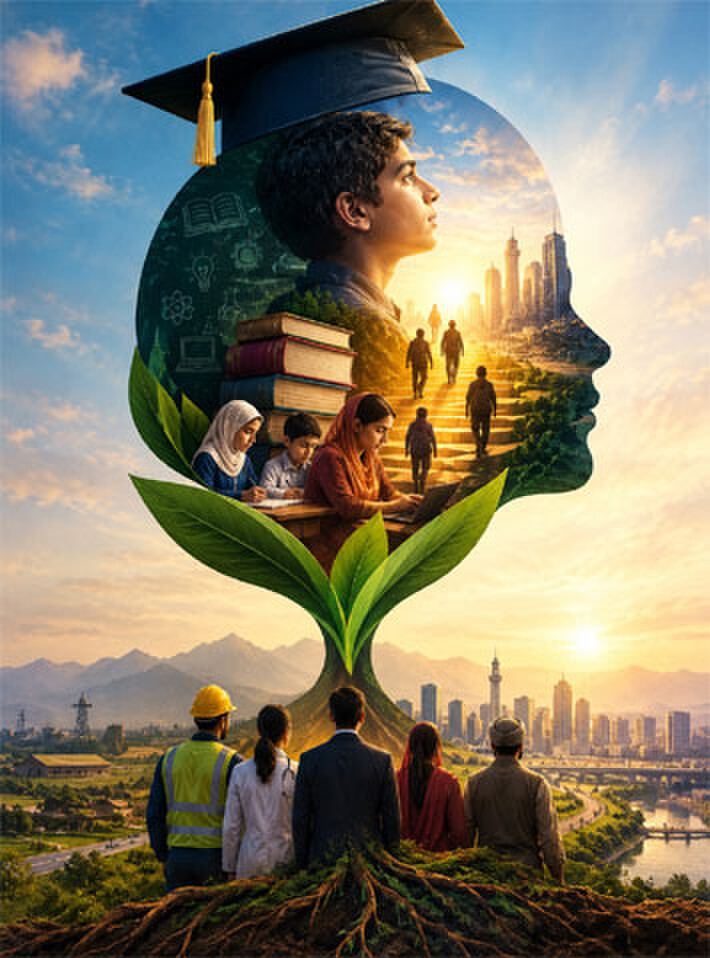
These gaps limit the ability of young people to acquire the skills required by a changing economy. Besides, access to basic healthcare, maternal and child health services, doctors, medicines and functional health facilities remains an important concern. Education, health and population policies are fundamental components of human capital develop-ment. The abundance of natural resources cannot guarantee sustainable development without people having the knowledge and the skills required to manage and develop these opportunities. Investment in vocational training can transform population growth into human capital.
The federal and provincial governments, therefore, have an important role to play. Greater coordination between the two governments is needed to address funda-mental questions. Investment in human capital should be viewed as a long-term investment in the economic future of the province and the country.
Improving the human capital could also strengthen the province’s ability to attract investment. Investors require more than natural resources. They also need a capable workforce, infrastructure, markets, institutions and an environment in which businesses can operate. A better-educated and skilled population could well help Balochistan develop vibrant local businesses, support entrepreneurship and provide investors with qualified workers.
At the same time, it would be unrealistic to suggest that better education and employment alone can actually solve all challenges. Security, governance, infra-structure and institutional capacity are also important factors in this regard. It is fair to believe, however, that human capital development has the potential to even address the critical security factor.
Balochistan’s future should never be allowed to be measured only by the data related to either population or natural resources alone. The two datasets have to be seen together because they are inter- related in terms of creating opportunities, especially for the young in the province. Balochistan needs to ensure that its growing population has the capabilities and opportunities to contribute productively. Turning population growth into human capital can help transform the province’s demographic potential into economic opportunity — and, in the process, enable Balochistan’s youth to contribute more meaningfully to the development of the province and, indeed, that of Pakistan.
Israr Ullah Khattak
Islamabad
Published in Dawn, October 24th, 2026