Flour fuels weekly inflation
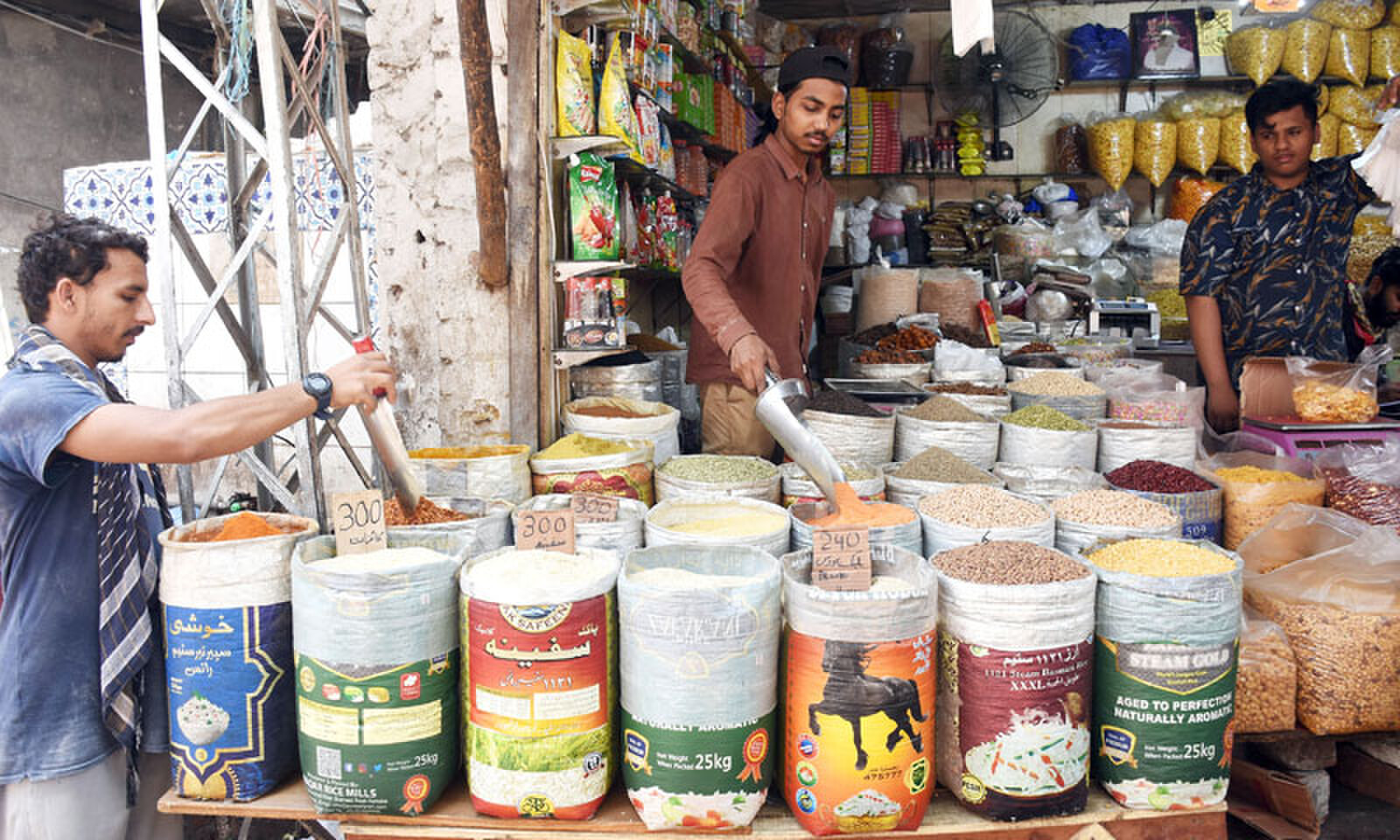
ISLAMABAD: Short-term inflation rose to 11.85 per cent year-on-year in the week ending Oct 22, driven largely by wheat flour prices, according to official data released by the Pakistan Bureau of Statistics (PBS) on Friday.
The Sensitive Price Index (SPI), which tracks short-term inflation, rose 0.65pc week-on-week, reflecting price fluctuations in both food and non-food items.
Short-term inflation has remained in double digits for several consecutive weeks, largely driven by persistent increases in petroleum prices.
Unwilling to ease the petroleum levy, the government has continued to review petrol and diesel prices daily. The surge in energy costs is not only fuelling inflationary pressures but also indirectly boosting sales tax collections through higher prices of goods and services.
This is cost-push inflation, in which rising energy costs are followed by increases in food prices. As a result, households are under pressure from higher consumer prices.
The index, which comprises 51 items whose prices are collected from 50 markets in 17 cities, is calculated weekly to track changes in the prices of essential commodities and services. The data showed that the prices of 19 commodities increased, while those of 12 items declined. Meanwhile, the prices of 20 items remained unchanged from the previous week.
The items whose prices increased the most over the previous week included liquefied petroleum gas (22.44pc), chicken (12.20pc), onions (4.19pc), shirting (1.86pc), plain bread (1.66pc), wheat flour (1pc), garlic (0.74pc), firewood (0.71pc), georgette and one kilogramme of vegetable ghee (0.59pc each), beef (0.31pc) and pulse mash (0.30pc).
Items whose prices declined week-on-week included tomatoes (21.99pc), petrol (3.63pc), banana (2.42pc), diesel (1.68pc), potatoes (1.38pc), pulse gram (0.93pc), eggs (0.58pc), powdered milk (0.38pc), broken rice basmati, and sugar (0.35pc each).
On an annual basis, the items that recorded the highest price increases included LPG (107.12pc), onions (72.81pc), electricity for Q1 (58.59pc), petrol (44.17pc), diesel (41.56pc), chicken (38.99pc), wheat flour (36.49pc), chilies powder (15.55pc), mutton (14.66pc), beef (12.10pc), bread plain (10.82pc) and tea prepared (8.36pc).
In contrast, tomato prices fell by 71.72pc, followed by potatoes (40.75pc), sugar (25pc), eggs (22.14pc), salt powder (14.86pc), pulse masoor (9.08pc), gur (8.98pc) and pulse moong (7.05pc).
Last week, short-term inflation rose to 11.38 per cent year-on-year, driven largely by higher food prices, data from PBS showed.
Published in Dawn, October 24th, 2026