Targeted by Trump, International Criminal Court wins top EU rights prize
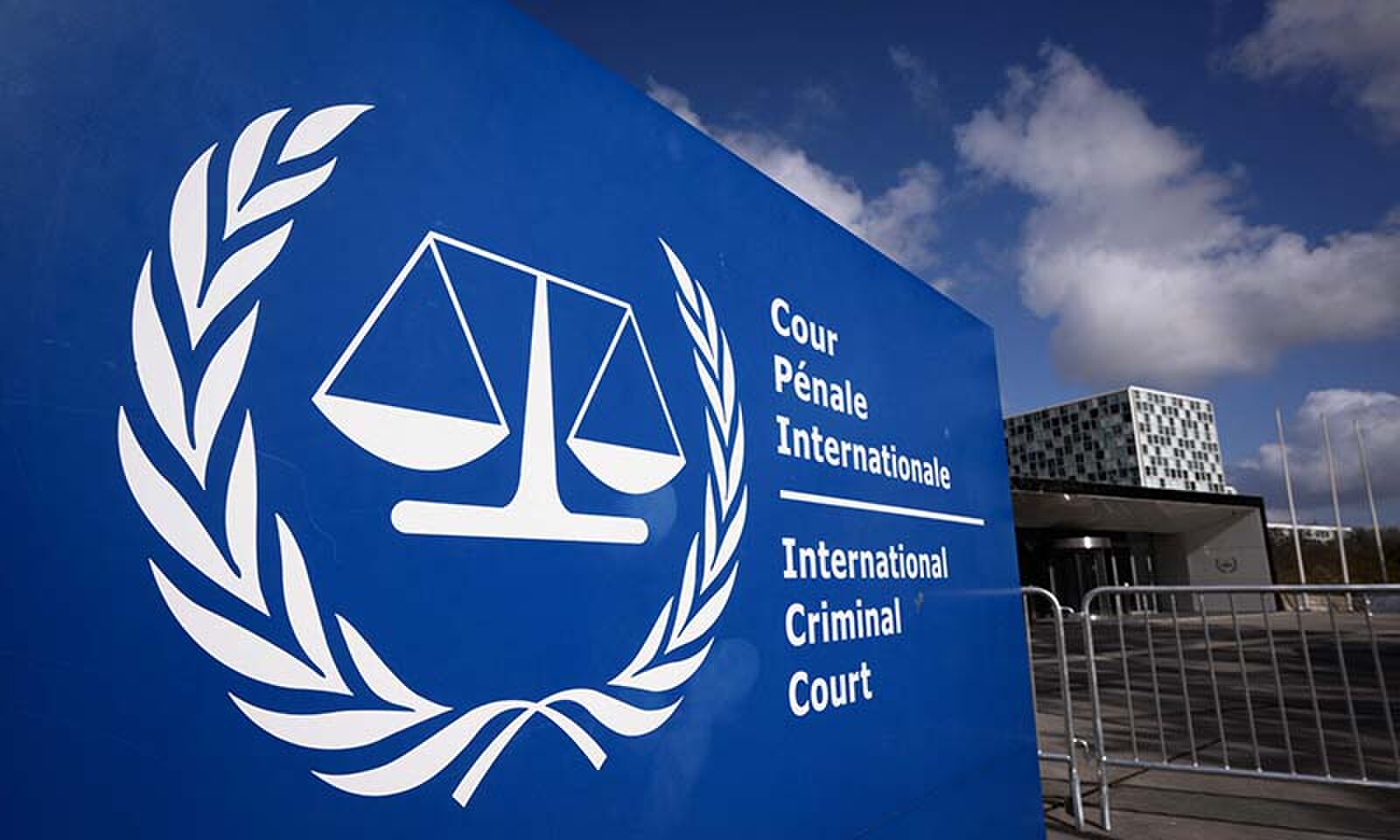
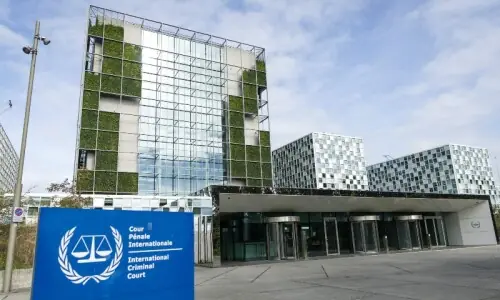
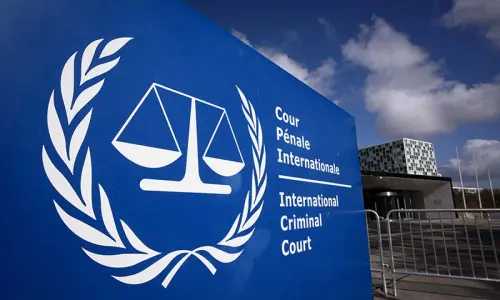
Facing US sanctions, the International Criminal Court was awarded the European Union’s top rights prize on Thursday, in a show of support that risks upsetting President Donald Trump.
“The European Union is built on respect for multilateralism and international institutions, and this prize recognises the important work of the court in upholding international law and justice,” said European Parliament chief Roberta Metsola, announcing the award.
The ICC thanked the European Parliament for giving it the Sakharov Prize “at a time when the Court and its officials face unprecedented challenges”.
“Against this backdrop, the Sakharov Prize carries particular significance, reaffirming the importance of independent judicial institutions and of those who work to uphold international law,” ICC President Tomoko Akane said.
This month, the United States announced sanctions against the ICC aimed at crippling the day-to-day operations of the court, which tries individuals for war crimes, crimes against humanity and genocide.
Trump’s administration has vowed to dismantle the court “brick by brick”, furious that judges have issued an arrest warrant for Israel’s Prime Minister Benjamin Netanyahu for alleged crimes in Gaza.
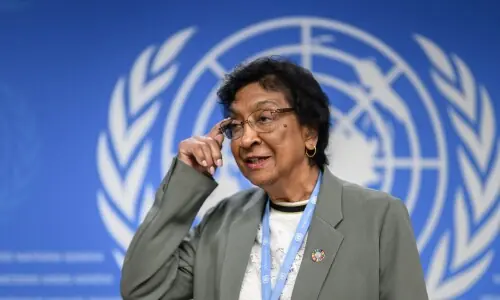
The win comes after ex-ICC judge Navi Pillay, who also served as UN rights chief, was awarded the Nobel Peace Prize this month — a choice Trump slammed as “disgraceful”, arguing the award should have gone to him.
The EU has already thrown its support behind the ICC in the face of the US sanctions — which will come into force in six months — and has said it is “ready to take any necessary measures” to make sure the court can keep working.
“The International Criminal Court must be free to pursue its mission, independently, and without pressure or intimidation,” EU chief Ursula von der Leyen said on social media after the prize was announced.
Brussels is hoping to use the delay before the sanctions are applied to try to talk the US down, but is also eyeing implementing a “blocking statute” to shield the ICC from Washington.
Three finalists
Set up in 1988 and named after Soviet dissident Andrei Sakharov, the EU prize is bestowed annually on individuals or organisations to recognise their fight for human rights or democracy.
The ICC was among three finalists this year, alongside Tanzania opposition leader Tundu Lissu and twin sisters Taraneh and Romina Rahimi, representing those prosecuted by the Iranian government.
The nominees are put forward by the political groupings in the EU, and the winner is chosen by senior lawmakers. An award ceremony will be held in December.
Lissu, head of Tanzania’s opposition Chadema party, was detained in April 2025. He faces a possible death penalty if convicted of treason for allegedly inciting the public to boycott elections last year.
Taraneh and Romina Rahimi, 21, have respectively been sentenced to death and 36 years in prison for having taken part in anti-government protests in Iran.
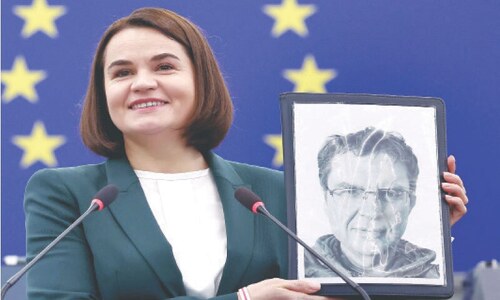
Other recent high-profile winners of the Sakharov Prize have been Venezuelan opposition chief Maria Corina Machado, deceased Russian Kremlin critic Alexei Navalny and the people of Ukraine.