Burnham says UK should weigh post-Brexit EU options, including rejoining
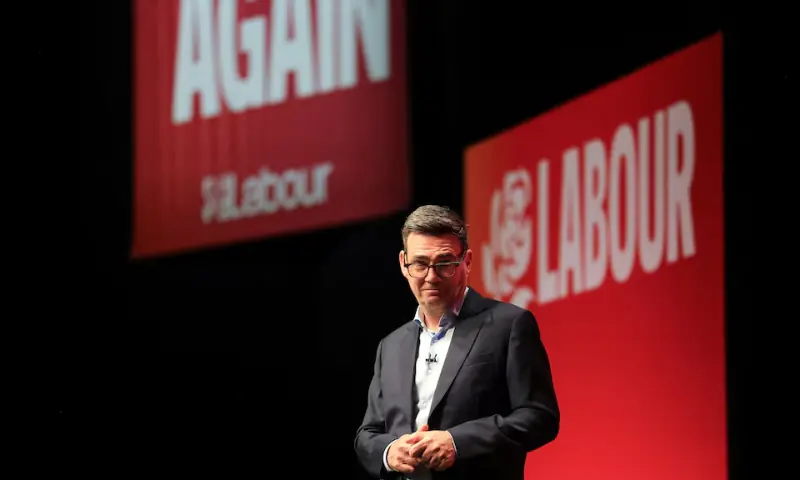

Prime Minister Andy Burnham said on Wednesday that Britain should consider options for its future relationship with the European Union (EU), including rejoining the bloc, doubling down on his message that Brexit had “done more harm than good”.
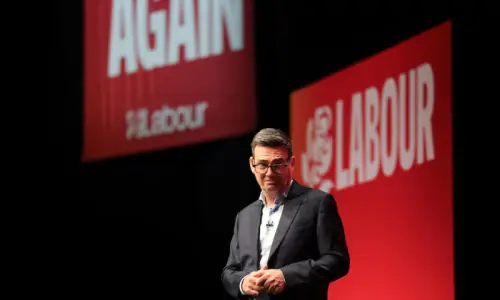
At his Labour Party’s annual conference on Tuesday, Burnham, who campaigned to stay in the EU in a 2016 referendum on membership, argued the nation should again consider options for “Britain’s long-term relationship with our European partners”.
He said Britain’s departure from the bloc had failed to fulfil its supporters’ pledge of “taking back control”, and instead had made the nation weaker, especially on the economy and on dealing with high levels of immigration.
Britain could ‘go all the way’
Speaking to the BBC, Burnham again said Britain should consider several options for a future relationship, including not only full membership but also rejoining the EU’s single market or a customs union, reigniting a divisive debate that has split the country for the last 10 years.
“We could stay as we are. That’s definitely an option, if people think this is the right place to stay,” Burnham said, listing certain options including one to “go all the way”.
It is not clear how Burnham will canvass opinion on the EU, but he said in his conference speech that he would “take the opportunity around the summit to lay out to you, to lay out to the country, what I believe the different options are”.
An EU-UK summit was postponed from July 22 following Keir Starmer’s resignation as prime minister, and it could now happen in November, although any formal move would have to wait until the next election, due by mid-2029.
Londoners who Reuters spoke to on their morning commute largely supported an effort to rejoin the bloc, although there were doubts.
“I’m sort of open to getting closer to Europe, but I’m not sure the country needs another Brexit debate all over again,” actuary Roy Taylor, 59, said.
Polling mixed when conditions considered
Burnham said the options should be assessed based on “what is doable” and the advantages and disadvantages of each.
Burnham has said he will stick to Starmer’s government pledges made at the last election in 2024, which included the promise to “stay outside of the EU” and no return to the single market, the customs union or freedom of movement.
Another issue would be whether the EU would want to offer Britain re-entry on terms which Burnham might favour.
Polls show a majority of Britons would support joining the EU, but that often falls away when any requirements are considered, such as contributing to budgets and adopting the euro.
Brexit vote triggered years of upheaval
Britain voted to leave the European Union in 2016, ending more than four decades of membership and triggering years of political upheaval, with successive governments grappling with the economic and diplomatic consequences of that vote.
Burnham, who replaced Starmer in July, has said he would like Britain to rejoin the EU in his lifetime, and his message at conference that Brexit had failed to make Britain richer was welcomed by many in his Labour Party.
“I am very clear, and I will say this bluntly: Brexit has caused more harm than good,” he told the BBC. “So the question is, what do we do about that?”
But Britain’s populist Reform UK party, led by veteran Brexit campaigner Nigel Farage, criticised Burnham’s plans, blaming the Labour government for low economic growth rather than the referendum vote when Britain voted to leave the EU.
“Andy Burnham has barely been prime minister five minutes and he’s already trying to sneak us back into Brussels via the back door,” Reform’s deputy leader, Richard Tice, said.