Oil gains on pending Iran-Oman Hormuz deal


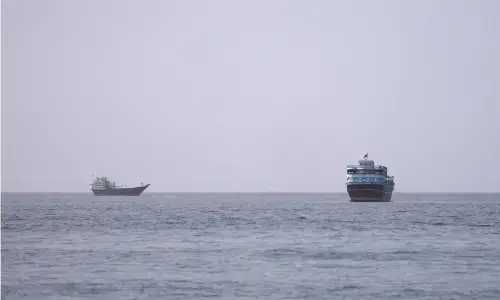
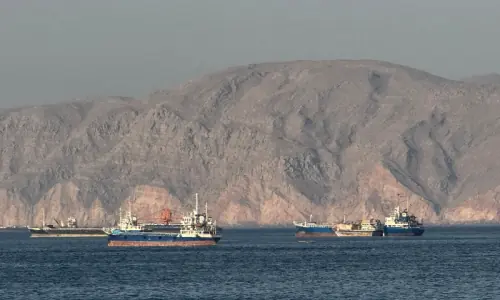
HOUSTON: Oil prices gained on Friday as markets assessed a pending agreement between Iran and Oman that would set rules for transit of the Strait of Hormuz.
Brent crude futures were up 93 cents, or 1.14 per cent, at $83.42 a barrel at 1:14 p.m. CDT (1814 GMT). West Texas Intermediate futures rose 96 cents, or 1.24pc, to $78.25.
Oil futures had settled more than $3 a barrel higher on Thursday as Iran reviewed a bill to ban US and Israeli vessels from the Strait of Hormuz, through which roughly a fifth of the world’s oil and liquefied natural gas normally passed before the war began at the end of February.
Oil prices fell earlier in the week as a possible solution to the conflict looked more likely, and both benchmarks are on course for a weekly loss of more than 9pc.
“The market is trying to assess if an Iran-Oman agreement would allow a US-flagged vessel to transit the Strait of Hormuz,” said Andrew Lipow, president of Lipow Oil Associates. “Would it allow a US-owned vessel to go through? Would it allow a vessel headed for a US port to go through?”
Both Iran and Oman are said to have agreed on the route ships would take through the strait between their two countries.
The oil market is also trying to determine how long it might take to end the 5-month-old war between the US, Israel and Iran, Lipow said.
“The longer the supply disruption goes, the longer the world’s commercial reserves are being drawn down,” he said.
Analysts also said that this week’s developments have signalled that hostilities between Iran and the US are not yet over.
Iran is seeking fees of between 5pc and 7pc of the price of cargoes from ships using the strait, a senior Iranian official said. Oman, meanwhile, is discussing fees of about 3pc while Washington wants no fees at all.
Four industry sources have said the proposed deal is not easily workable because of US sanctions and restrictive insurance clauses on any payments.
Published in Dawn, August 8th, 2026