Wheat flour price spiral continues
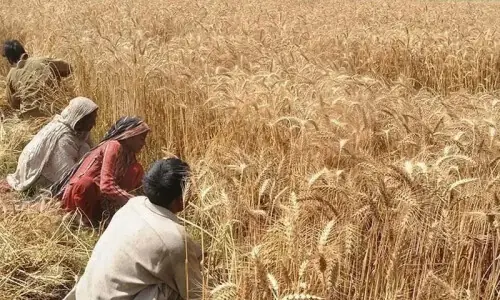
KARACHI: The federal government’s decision to import one million tonnes of wheat, despite a 4.3 per cent increase in domestic production during FY26, has failed to prevent an upward trend in wheat and flour prices.
The latest data from the Sensitive Price Index (SPI) for the week ending July 30 shows that the national average prices of a 20kg flour bag, 10kg wheat, and one kilogram of fine flour rose to Rs2,200-3,133, Rs1,223, and Rs152.14, respectively, from Rs2,200-2,960, Rs1,179, and Rs148 during the week ending July 23.
The national average prices at the end of March stood at Rs1,810-2,740 for a 20kg flour bag, Rs1,039 for 10kg wheat, and Rs137 per kilogram of fine flour.
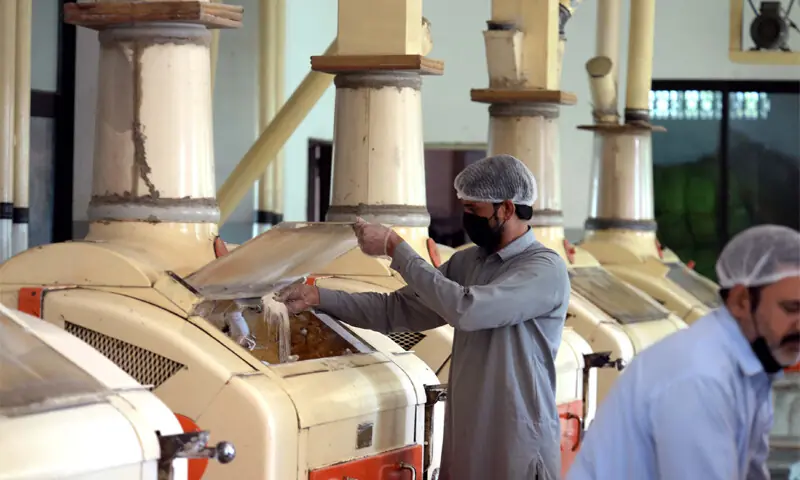
In Karachi, flour millers have increased prices. The rates of a 50kg flour bag (No. 2.5), a 50kg bag of maida, and a 50kg bag of fine flour have risen to Rs6,675, Rs7,325, and Rs7,475, respectively, from Rs6,325, Rs6,825, and Rs6,975 in mid-July.
Given that wheat harvested in Sindh and Punjab entered the market between March and May, official data shows fluctuating price trends, suggesting that the higher wheat output has done little to ease prices, while speculative investment and hoarding have remained widespread.
With wheat and flour prices already at elevated levels, the decision to import one million tonnes is unlikely to provide significant relief. Even if flour prices fall by Rs8 to Rs10 per kilogram, the reduction would offer little respite to consumers already struggling with rising fuel and other living costs.
However, the government’s plan to import one million tonnes of grain has caused jitters among the private sector commodity importers, who sought import of two million tonnes grain in the first phase and another two million tonnes in the second phase, urging the government to refrain from import via Trading Corporation of Pakistan (TCP). However, commodity wholesalers believe that there is no need to allow the private sector to import grain.
At a recent meeting of the Wheat Board, the provinces reportedly sought the import of a total of 2.2 million tonnes of wheat. Punjab requested one million tonnes, followed by Sindh with 500,000 tonnes, Khyber Pakhtunkhwa with 200,000 tonnes, and Balochistan with 57,500 tonnes.
In absence of any effective price checking mechanism and a strict vigil on hoarding commodities, market forces had enjoyed a free hand by hoarding grain, while the flour millers continued to play havoc with the prices, blaming rising wheat prices in the open market.
Traders divided
Stakeholders also expressed reservation over a 4pc rise in wheat output in FY26 to more than 29m tonnes.
Karachi Wholesalers Grocers Association (KWGA) Chairman Rauf Ibrahim said the wheat output this year is 27 million tonnes instead of over 29m tonnes while the annual consumption is 32m tonnes.
“Whatever the wheat production, I am concerned about where the Punjab and Sindh crops have gone in the last four months and what will happen till the arrival of next crops,” he questioned.
“How can a person earning Rs35,000 a month survive when he has to struggle to buy expensive flour while also meeting education, food and fuel expenses,” Mr Ibrahim said.
He said the imported wheat will arrive in two to three months but till then the wheat and flour prices will remain under pressure.
“I think the government should personally handle the import rather than allowing the private sector to import grain, as it may lead to cartelisation,” he said, adding that the government needs to increase the import quantity to four million tonnes to meet wheat demand until March/April next year, while also ensuring hassle-free movement of wheat among the provinces.
Offering a different view, Cereal Association of Pakistan (CAP) Chairman Muzammil Chappal said: “I am sure that wheat crop is not more than 26m tonnes in FY26. The government’s data is inaccurate.”
Total wheat demand is 31m tonnes in which one million tonnes to 1.5m tonnes is required for animal feed.
He said that if the government gave the private sector the green light to import wheat, its landed cost would be Rs95-100 per kg, based on a cost and freight (C&F) price of $330-350 per tonne at Karachi.
The practical experience of the private sector in international procurement, shipping, logistics, financing, and market operations can provide valuable commercial insights to support timely and well-informed policy decisions, he said.
Pakistan’s private sector wheat importers stand fully prepared to import wheat entirely through their own commercial resources, without requiring any government subsidy or placing any financial burden on the national exchequer, Mr Chappal said.
The previous import policy clearly demonstrated the capability of Pakistan’s private sector, which successfully imported approximately 3.7m tonnes of wheat a few years back which increased domestic availability, stabilised supplies throughout the country and helped reduce wheat prices, he said.
Published in Dawn, August 2nd, 2026