FBR beats July revenue target by Rs40bn
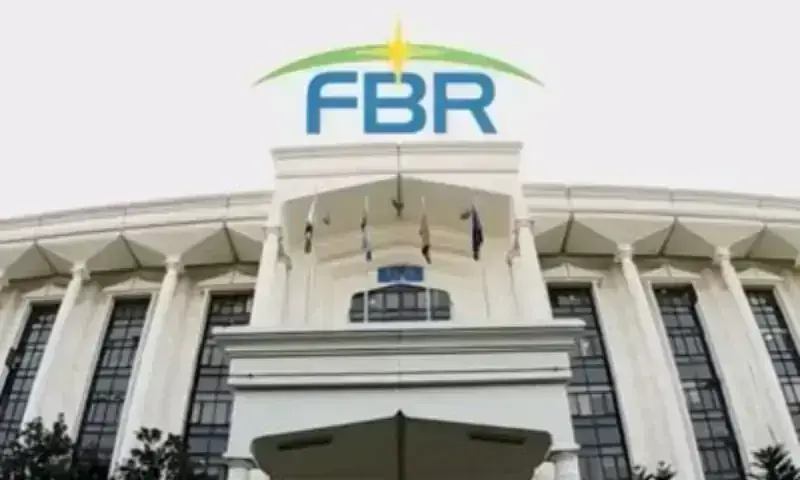
ISLAMABAD: The Federal Board of Revenue (FBR) said on Friday that it had collected Rs820 billion in the first month of the fiscal year 2026-27, exceeding the target of Rs780 billion by Rs40 billion, mainly due to higher than expected sales tax collection.
The first month target was achieved largely because of higher-than-anticipated sales tax collection, federal excise duty and customs. However, the target of income tax collection in July FY27 was missed.
In FY26, the FBR had collected over Rs13 trillion, exceeding the revised target of Rs12.983tr by over Rs21bn. Collections rose eight per cent to Rs820bn in July FY27 from Rs756bn over the same month last year. Sales tax, customs duty and federal excise duty (FED) collection exceeded the target while income tax fell short of its target.
The government has projected an annual revenue collection target of Rs15.264tr for FY27. The FBR issued Rs99bn in refunds and rebates to taxpayers during July FY27, up from Rs85bn a year earlier, representing an increase of Rs14bn.
Higher sales tax, FED, customs collections offset income tax gap
Income tax collection reached Rs308bn in 1MFY27, falling short of the target of Rs323bn by Rs15bn. It also increased by 2pc from Rs301bn collected in the corresponding period last year. Sales tax collection totalled Rs360bn, exceeding the target of Rs305bn by Rs55bn. However, it increased by 18pc from Rs305bn last year.
Higher inflation is boosting domestic sales tax revenues, particularly due to surging petroleum product prices. As fuel costs rise, not only does the petroleum development levy (PDL) increase, but the knock-on effect also drives up the prices of other goods, generating additional sales tax collections.
In the first month of the fiscal year, sales tax receipts recorded an 18pc growth — a clear reflection of inflation running higher than anticipated across the country. Customs duty collection stood at Rs105bn, against the target of Rs104bn, resulting in an increase of Rs1bn. It nevertheless grew by 1pc from Rs104bn in FY26.
Federal excise duty collection reached Rs48bn, exceeding the target of Rs47bn.
It increased by 3pc from Rs46bn collected last year. Higher-than-expected receipts from the PDL also helped the government offset the shortfall in revenue collection.
The record PDL receipts were largely driven by historically high levy rates, with the government charging up to Rs120 per litre on petrol.
Unlike general sales tax on petroleum products, which is collected by the FBR and shared with the provinces under the National Finance Commission award, PDL receipts accrue entirely to the federal government. Petroleum products currently carry no GST.
Published in Dawn, August 1st, 2026