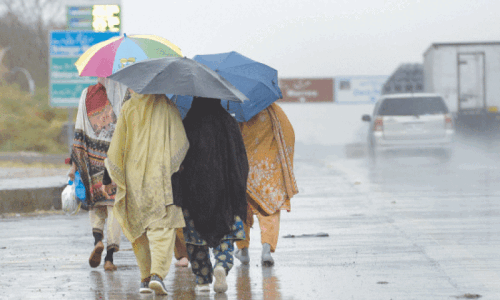
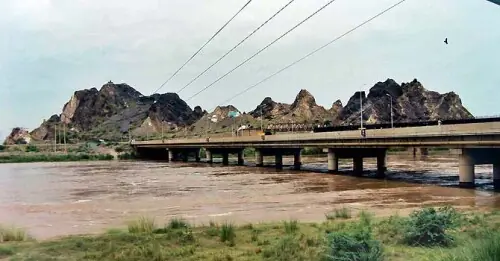
Scattered rain inundates low-lying areas in Rawalpindi district

• 20 people trapped in Bharwana village rescued
• Private housing societies directed to install early warning systems
• Flash floods hit Jhelum
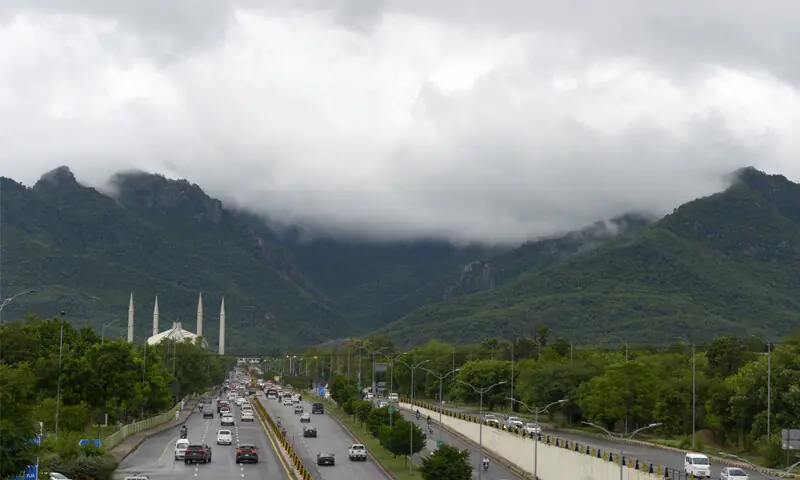
RAWALPINDI: Rain lashed the twin cities of Rawalpindi and Islamabad on Tuesday, inundating low-lying areas in some parts. The temperature dropped by 10 degrees Celsius, making the weather pleasant.
The rain started on Monday night and continued till Tuesday afternoon with occasional gaps, bringing the temperature down to 28 degrees Celsius.
People woke up to a cloudy day and felt a pleasant change in the weather. However, more than 20 people trapped in Bharwana village in water released from the Daducha Dam site were rescued by Rescue 1122.
“Two families went to get their belongings as the land in the area had been acquired by the government for the dam construction and got trapped in the water,” said District Emergency Officer Sibghatullah. He said the rescue operation was completed by evening and all the people and their belongings were safely moved to a safe place.
He said Rescue 1122 received a call in the afternoon and completed the rescue operation by evening. After the Pakistan Meteorological Department (PMD) alerted about more rain and chances of urban flooding till Wednesday (July 22), the district administration, Water and Sanitation Agency (Wasa), Civil Defence Department and Rescue 1122 remained on high alert to deal with any emergency.
The Meteorological Department recorded 65mm of rain at Saidpur, 29mm at Zero Point, 33mm at Golra, 29mm at Bokra and 22mm at Islamabad International Airport in Islamabad, and 9mm at Chaklala, 26mm at Pirwadhai, 25mm at Gawalmandi, 22mm at Kutchery, 34mm at Shamsabad and 35mm at New Katarian in Rawalpindi.
A Met official said monsoon currents from the Arabian Sea and the Bay of Bengal were penetrating the upper parts of the country and were likely to strengthen. A westerly wave is also likely to affect the upper and central parts of the country.
“Widespread intermittent rain, windstorm and thundershowers are expected in Khyber Pakhtunkhwa, Kashmir, Islamabad, Punjab, northeast Balochistan and Gilgit-Baltistan. Heavy falls (at times very heavy) may also occur at a few places during the period,” he said.
According to the PMD weather alert, heavy rains may trigger landslides in vulnerable areas of Khyber Pakhtunkhwa, Gilgit-Baltistan, Murree and Galliyat, and Kashmir.
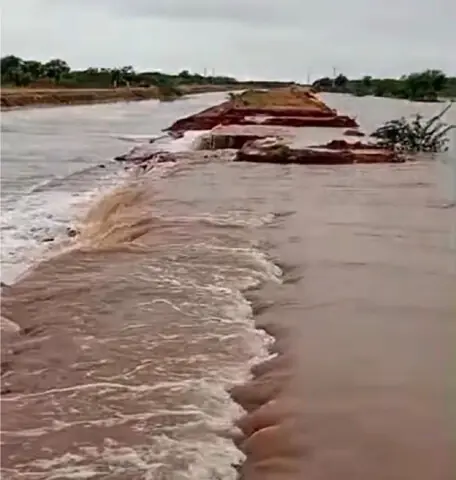
Heavy rains may generate flash flooding in streams and nullahs of Kashmir, Murree and Galliyat, northeastern Punjab, Islamabad, Khyber Pakhtunkhwa, Gilgit-Baltistan, hill torrents of Dera Ghazi Khan and northeastern parts of Balochistan during the wet spell.
Heavy rains may cause urban flooding in Islamabad/Rawalpindi, Peshawar, Gujranwala, Lahore, Sialkot, Multan and Faisalabad during the period. Windstorms, lightning and heavy rains may damage weak structures (solar panels, electric poles, billboards, etc.) during the forecast period.
Meanwhile, Commissioner Salman Ghani chaired a review meeting in his office to assess preparedness for the ongoing monsoon season.
The meeting was attended by representatives of Rescue 1122, Civil Defence, the managing director of Wasa, the Rawalpindi Waste Management Company (RWMC) and other concerned departments, while deputy commissioners of Rawalpindi, Jhelum, Murree, Attock and Chakwal participated through video link.
The commissioner directed the administrations of DHA, Bahria Town, other private housing societies and areas situated along the Soan River to become an effective part of the district’s monsoon preparedness plan.
He also instructed all private housing societies to install early warning systems, formulate comprehensive emergency response plans, and maintain close coordination with the district administration throughout the monsoon season.
The deputy commissioners briefed the meeting on arrangements made in their respective districts to tackle monsoon rains, including emergency preparedness, contingency planning, identification of vulnerable locations, potential risks and institutional readiness.
Commissioner Ghani said that special attention should be given to both urban and rural areas, particularly low-lying settlements and communities residing along rivers, streams and storm-water channels.
He further directed that comprehensive evacuation plans be kept fully operational to ensure the timely relocation of residents in the event of flooding or any other emergency. All necessary arrangements for the immediate transfer of affected people to safe locations should be completed well in advance.
District-level control rooms must remain operational round the clock, while all emergency helplines and contact numbers should remain fully functional. He also directed field officers to continue uninterrupted monitoring throughout the monsoon period.
Flash flooding in Jhelum
Flash flooding following continuous rain in Sohawa, Dina, Domeli and Pind Dadan Khan areas of Jhelum district put the district administration on high alert as some localities were inundated in Pind Dadan Khan tehsil.
According to Lumberdar Mohammad Shifaht Raja, his village, Chitty Rajgan, and Dhoke Araiyan, located near Jalalpur Canal, were inundated. He said the construction of the dual carriageway at an elevated level without drainage for rainwater blocked the natural flow of flash floods coming down from the hills, causing streets and houses to be inundated.
He regretted that he had repeatedly pointed out the issue to the tehsil administration and other authorities, but to no avail.
Ayesha Shafqat, Assistant Commissioner Pind Dadan Khan, said the construction of the dual carriageway was in progress and the required drains had been pointed out to the highway authorities.
Furthermore, reports of collapsed houses in Hiranpur, Khewra, Kalewal and Sanuwal, as well as the death of cattle due to the collapse of houses in Phaphra village, were confirmed by local sources.
Deputy Commissioner Mir Reza Ozgen said the low-lying areas were partially affected by flooding in the Jhelum city.
Wasa teams were continuously working in the field to ensure the timely drainage of rainwater and keep the sewerage system functional. Immediate drainage of water was being ensured by monitoring disposal stations, sewer lines and manholes in low-lying areas, important highways and sensitive locations so that citizens did not face any problems and the drainage system continued uninterrupted, Mr Ozgen added. — Hamid Asghar also contributed to this story from Gujar Khan
Published in Dawn, July 22nd, 2026