UN report sees enormous potential benefits and big risks from AI
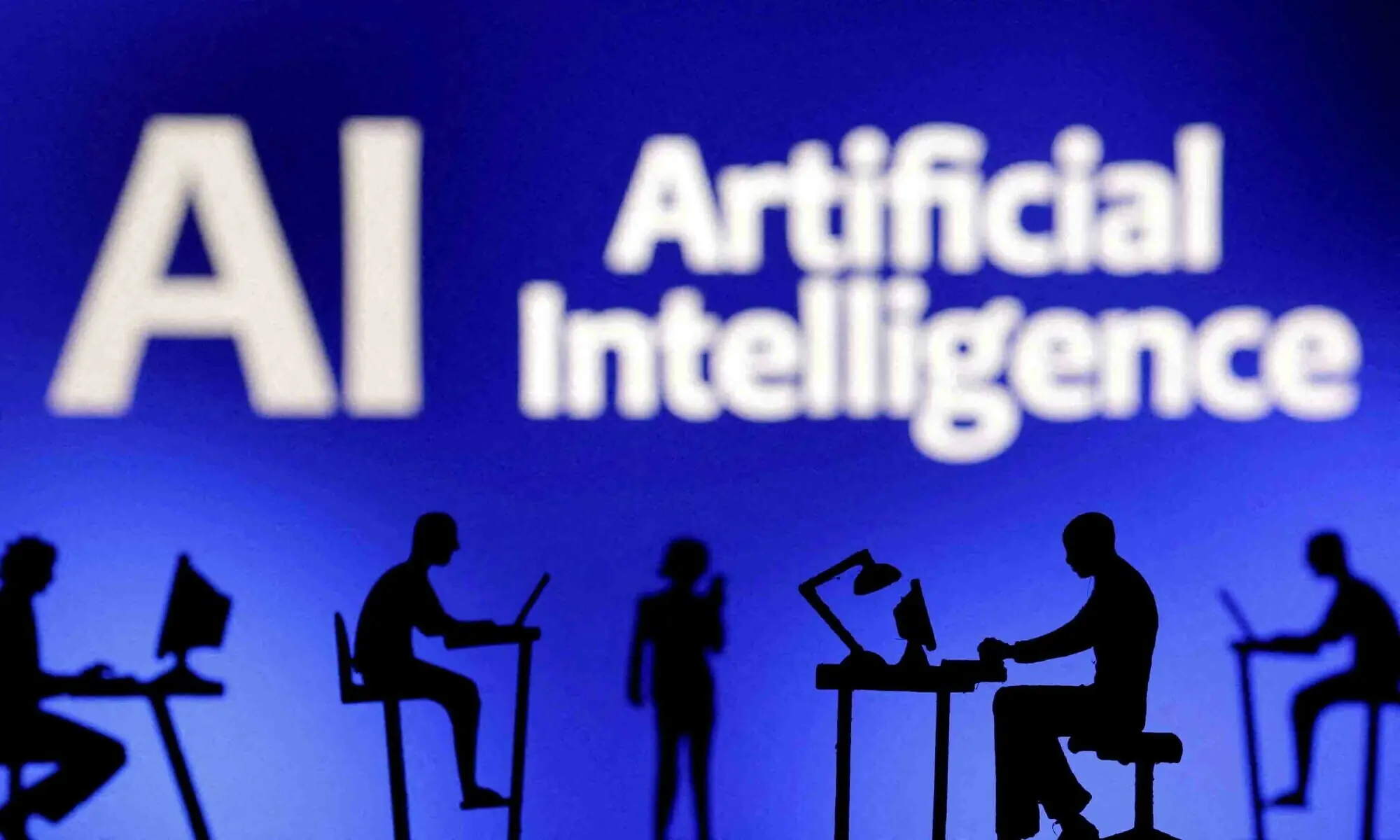


The rapid development of AI offers huge potential benefits to countries and people around the world, but also poses big risks, 40 leading scientists and experts said in the first report by a United Nations independent scientific panel on the technology.
The report, to be presented to governments at an inaugural UN Global Dialogue on AI governance in Geneva July 6 to 7, offers the first global, independent scientific assessment of AI, with a fuller, comprehensive report planned next year.
Members of the panel were drawn from every region of the world, and its members serve a three-year term, independent of any government, institution or company.
According to the report, policymakers need scientific evidence to govern AI but its capabilities are outpacing scientific understanding and governments’ ability to adapt, with few methods available for controlling highly autonomous AI systems.
Panel co-chair Yoshua Bengio also noted growing evidence of deceptive AI behaviour and said science could not guarantee AI will not cause catastrophic harm “either on its own or due to malicious users” as capabilities increase.
“The potential benefits of AI are enormous,” the report concluded. “The rapid, unchecked deployment of the technology at scale also presents considerable risks, including harms to the mental health of users, potential use as a destructive tool, impacts on social, economic and environmental systems, and challenges associated with controlling the technology.”
It further said that AI adoption has accelerated broadly, but unevenly, across countries and sectors. Globally, over a billion people now use conversational AI weekly, but adoption in developing countries lags.
It noted that AI development is even more concentrated, with the US accounting for 75 per cent of the computing power among the world’s top 500 AI supercomputers, and China 15pc.
Although more than 7,000 languages are spoken worldwide, current AI models are trained for only a small fraction and machine translation of some languages is riddled with errors that can affect health diagnoses and treatment decisions.
Risks include potential negative impacts on human rights, social systems and the environment, with AI-generated child sexual abuse material and deepfake-enabled sexual violence circulating more frequently.
AI also makes it easier to produce and target persuasive content at scale, contributing to a “gradual erosion of information integrity that can weaken public trust, social cohesion and democratic deliberation”.
Most countries, including advanced economies, lack the technical expertise to assess the most capable new AI models or participate meaningfully in their governance, the report said.