Irsa asks provinces to ensure untreated wastewater does not make its way to rivers and natural streams


 0
0
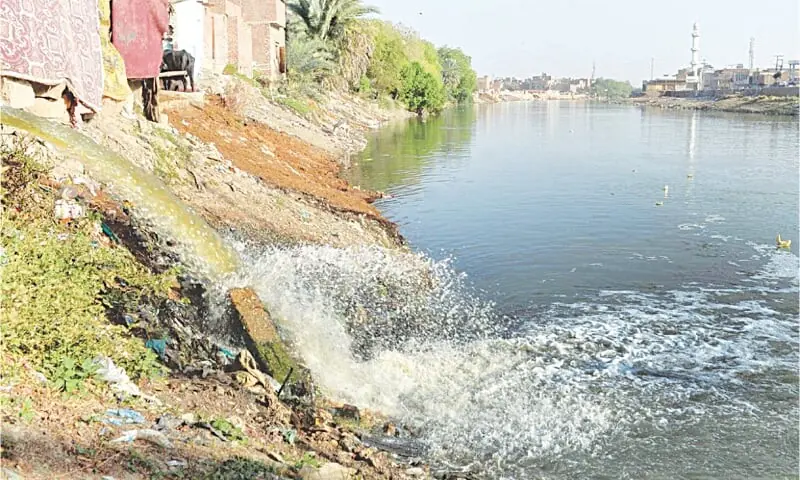

ISLAMABAD: Taking notice of deteriorating water quality in the country’s rivers and irrigation systems, the Indus River System Authority (Irsa) has asked the provincial governments to ensure that untreated wastewater does not fall into rivers and natural streams.
The water regulator has reported deteriorating water quality due to pollution, salinity, odour, etc., in the Indus Basin Irrigation System (IBIS).
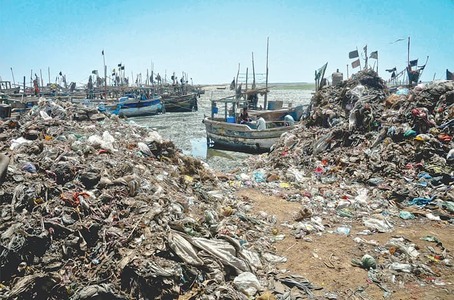
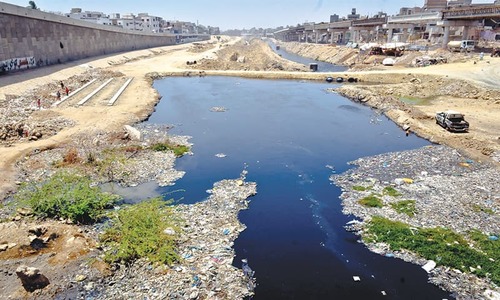
“Recent studies and reports have highlighted an alarming deterioration of water quality in Pakistan’s rivers due to the discharge of untreated wastewater,” said Irsa Chairman Amjad Saeed in a letter to the provincial chief secretaries.
Based on these reports, sources said Irsa had deputed its own teams and sought reports from field formations of the provinces’ irrigation authorities.
In the letter, the provinces and the Pakistan Environmental Protection Agency (Pepa) were reminded that under the Indus River System Act, 1992, the water regulator was mandated to regulate and distribute the surface water resources of the Indus River System — the largest contiguous irrigation system in the world — among the provinces in accordance with the allocations and policies of the Water Apportionment Accord 1991.
Nearly 90 per cent of irrigation in the IBIS is carried out through its vast canal network, making Pakistan’s agriculture, food production, and food security heavily dependent on the Indus River System.
The Irsa chief pointed out that “in particular, the Ravi River and Sutlej River are reported to be severely polluted. In the lower Indus, salinity levels increase from upstream to downstream, particularly during low-flow months, while water in Manchar Lake has been reported unfit for drinking or irrigation due to high salinity.”
The water regulator also noted that water quality degradation in Kabul, Swat and other major rivers was also emerging as a serious public health concern in Khyber Pakhtunkhwa.
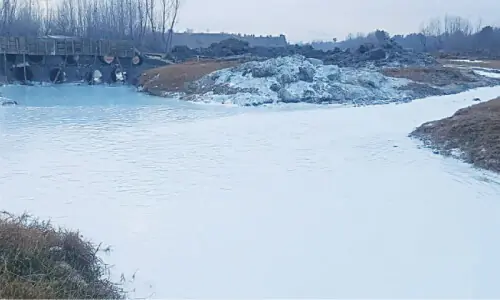
Field observations further revealed visible pollution — foaming and foul odor — at major barrages, including Sukkur, Kotri and Aral Head Regulator of Manchar Lake.
It said that studies showed the total dissolved solids level increasing from upstream to downstream and from wet season to dry season in water samples. “Concentration of chloride and the sodium absorption ratio (SAR) increased in the lower reaches of the Indus River. Likewise, dissolved oxygen was higher in the wet season as compared to the dry season,” the Irsa chairman said.
The provinces were told that the matter was deliberated at a recent meeting of the Irsa — a body representing the federal and provincial governments and relevant stakeholders — where the authority expressed grave concern over deteriorating water quality in IBIS rivers and canals. During the meeting, it was decided to issue advisories to Pepa and the provincial governments for remedial actions while acknowledging and appreciating corrective measures already undertaken by the provinces.
Therefore, Irsa asked the provincial governments and Pepa to issue the necessary directions to the departments concerned under their respective jurisdictions and take immediate remedial measures to ensure that wastewater was properly treated before its disposal into rivers and other natural streams.
“Coordinated federal and provincial efforts are essential to protect the integrity of the IBIS and to safeguard the constitutional right of citizens to clean and sustainable water resources,” the Irsa chairman emphasised.