Transporters raise fares by 30pc as ‘subsidy falls short’
• Prices of vegetables, fruits, construction materials, essential commodities also surge
• Citizens, businesses reject fuel price increase despite provincial relief measures
• LCCI warns of higher production costs, reduced export competitiveness
LAHORE: Transporters have increased fares by up to 30 per cent following the recent fuel price hike, stressing that the government’s subsidy was insufficient to offset rising operational costs.
Moreover, the record increase in petroleum prices has also caused a massive surge in the prices of vegetables, fruits, construction materials and several other items.
On the other hand, the public at large has rejected the sharp increase in fuel prices despite some relief measures announced by the provincial governments.
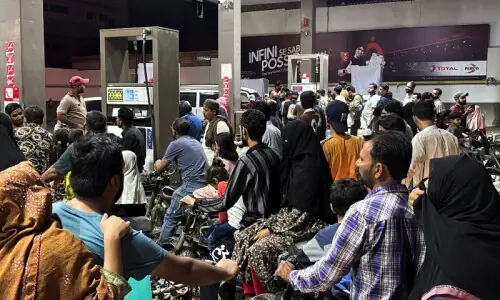
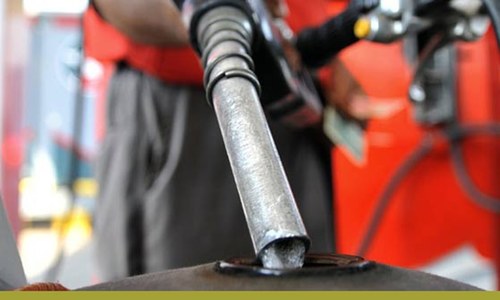
“Why has the government massively increased petroleum prices twice without considering how people, already burdened by inflation, will survive?” a motorist said while speaking to Dawn at a petrol pump in Gulberg on Friday. “From tomorrow onwards, I will stop using my car. It is better to stay at home,” he added.
Another motorist expressed grave concern, alleging that the move benefited oil marketing companies (OMCs) and petrol pump owners, enabling them to earn billions of rupees within hours.
“Announcing price increases abruptly and enforcing them immediately reflects poor intention on the government’s part, as it allowed OMCs and dealers to profit twice — once in early March and again late on Thursday night. Before the announcement, they already had sufficient stocks purchased at previous rates,” he claimed.
The increase in petroleum prices has led to a considerable surge in transport fares and freight charges.
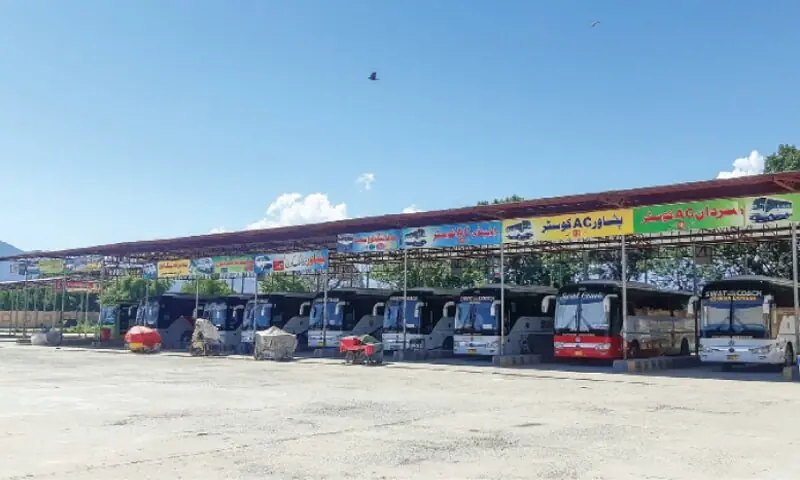
“We have increased fares on all inter-city routes across the country by 25pc to 30pc with immediate effect,” said Asmatullah Niazi, chairman of the All Pakistan Bus Terminals Owners Association and Punjab Transport Owners Association.
“Further decisions will be taken after a meeting with the transport minister in the coming days,” he added.
Responding to a question about the Punjab government’s subsidy, he termed it insufficient. “The government has announced Rs100,000 and Rs70,000 per month for each registered bus and goods truck. Do you think this is enough when a single Lahore-Islamabad trip consumes diesel worth around Rs120,000?” he asked, requesting the Punjab government to review the subsidy decision.
A construction material supplier said the impact of the price hike was immediate. “Freight charges have increased by up to 40pc, raising the cost of cement, crushed stone and other materials transported to Lahore from across Punjab and beyond,” he said, warning that further price increases are expected in the coming days.
Meanwhile, prices of fruits, vegetables and other daily-use items also rose sharply. “Today (Friday), I bought vegetables at almost 40pc higher prices compared to Thursday. Similarly, flour, rice and other commodities have increased by 20pc to 40pc in the open market,” said a shopper.
Several petrol pumps in Lahore reported a noticeable drop in customers on Thursday following the price hike. Reduced traffic was also observed on major roads, including Khayaban-i-Firdousi, Maulana Shaukat Ali Road, Canal Road, Ferozepur Road and Lytton Road. “This is the worst day in terms of sales I have seen since I started working here,” said a pump worker in Johar Town.
Meanwhile, the Lahore Chamber of Commerce and Industry (LCCI) expressed serious concern over the increase in fuel prices, warning that it would adversely affect Pakistan’s economy, industrial productivity and cost of living.
In a statement issued on Friday, LCCI office-bearers led by President Faheemur Rehman Saigol said the sharp rise in petrol and diesel prices would trigger a fresh wave of inflation.
Mr Saigol warned that higher production costs could reduce competitiveness in export markets at a time when Pakistan needs to boost exports to stabilise its economy.
Balochistan parties reject hike
Political parties, goods transporters and the business community in Balochistan also rejected the massive increase in the prices of petroleum products and stressed that the federal government has paved the way for massive inflation.
Talking to the media, Balochistan Goods Truck Owners Association Provincial President Haji Noor Muhammad Shahwani announced a 60pc increase in goods transport fares, saying the hike was unavoidable due to rising diesel prices.
The National Party and Jamaat-i-Islami also strongly condemned the government’s decision to increase fuel prices.
Saleem Shahid in Quetta also contributed to this report
Published in Dawn, April 4th, 2026