Iran says internet to return ‘gradually’ after 11-day blackout


• Davos disinvites FM Araghchi over ‘tragic’ crackdown
• UN condemns use of executions as ‘a tool of state intimidation’
TEHRAN: Internet access in Iran will “gradually” return to normal this week, a senior official said on Monday, as the government faces international fallout from an 11-day communications blackout imposed during deadly anti-government protests.
The announcement came the same day organisers of the World Economic Forum in Davos, Switzerland, confirmed the Iranian foreign minister would not attend the summit because it would not be “right” following the recent crackdown.
Simultaneously, the United Nations issued a report condemning Tehran for using executions as a “tool of state intimidation”.
“The internet will gradually return to normal operations this week,” Hossein Afshin, Iran’s vice president for science, technology and the knowledge economy, said on Monday on state television.
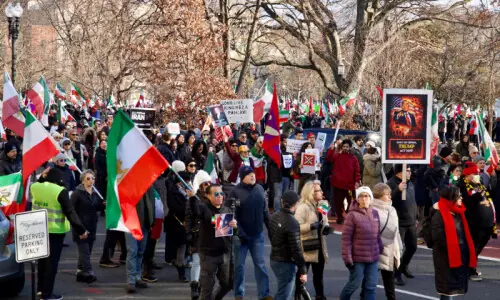
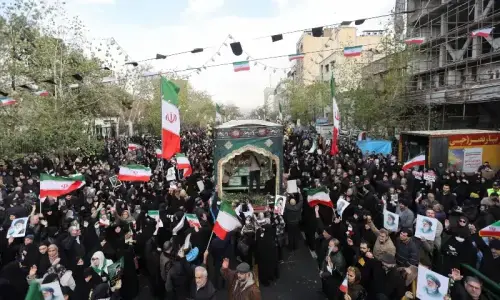
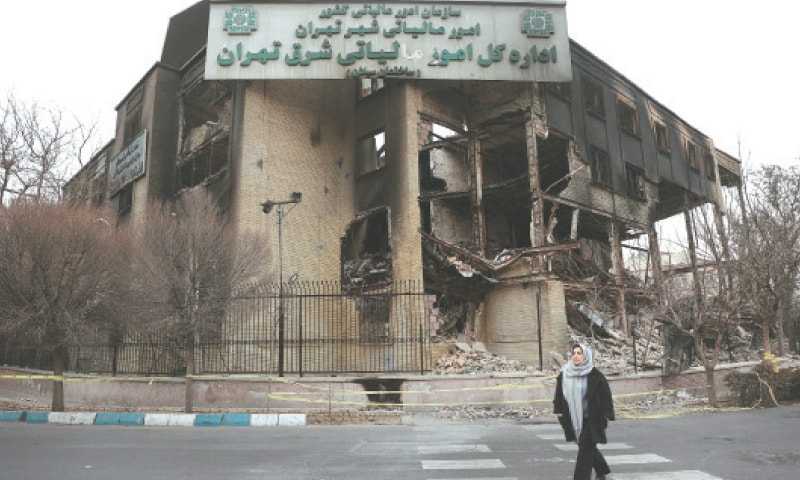
The government imposed a nationwide communications blackout earlier this month amid huge demonstrations triggered by anger over economic hardship.
Limited internet access briefly returned on Sunday for some foreign websites such as Google, but opening links from search results remained impossible as of Monday.
The shutdown began on Jan 8. Norway-based Iran Human Rights said it has verified the deaths of 3,428 protesters killed by security forces, confirming cases through sources within the Islamic Republic’s health and medical system, witnesses and independent sources.
The NGO warned the true toll is likely far higher. The media cannot independently confirm the figure, and Iranian officials have not provided an exact death toll.
‘Not right’
Iran’s foreign minister will not be attending the Davos summit in Switzerland this week, the organisers said, stressing it would not be “right” after the recent deadly crackdown on protesters in Iran.
Abbas Araghchi had been scheduled to speak on Tuesday during the annual gathering of the global elite at the upscale Swiss ski resort town.
But activists have been calling on the World Economic Forum organisers to disinvite him amid what rights groups have called a “massacre” in his country.
“The Iranian Foreign Minister will not be attending Davos,” the World Economic Forum said on X.
“Although he was invited last fall, the tragic loss of lives of civilians in Iran over the past few weeks means that it is not right for the Iranian government to be represented at Davos this year,” it added.
‘Intimidation tool’
Iran appears to be using executions “as a tool of state intimidation”, the United Nations said on Monday, as it denounced a jump in capital punishment globally in 2025.
The Islamic republic reportedly executed 1,500 people last year, UN rights chief Volker Turk said in a statement.
“The scale and pace of executions suggest a systematic use of capital punishment as a tool of state intimidation, with disproportionate impact on ethnic minorities and migrants,” he warned.
The spike in executions in Iran — which according to rights groups is the world’s most prolific executioner after China — had contributed to “an alarming increase” in the use of capital punishment worldwide last year, Turk said.
While the overall global trend continues to move towards universal abolition of the death penalty, Iran and a handful of other states such as Saudi Arabia and the United States saw executions surge.
“Many of those executions were “for offences not meeting the ‘most serious crimes’ threshold required under international law,” Turk said, also criticising “the continued execution of people convicted of crimes committed as children, as well as persistent secrecy around executions”.
Published in Dawn, January 20th, 2026