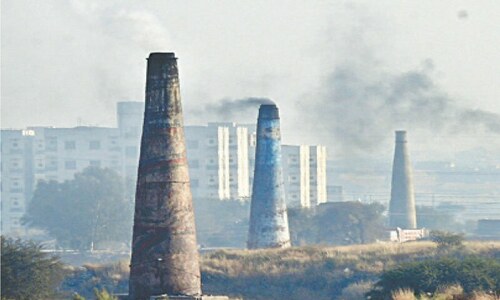
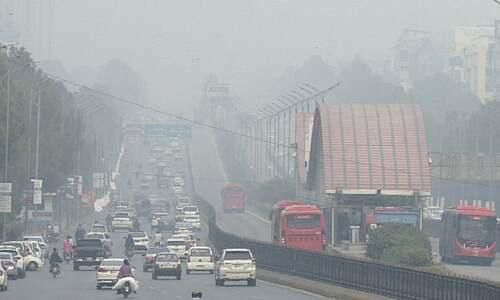
ISLAMABAD: The Pakistan Environment Protection Agency on Sunday warned owners of smoke-emitting vehicles of stringent action across the federal capital.
It said any vehicle found releasing excessive emissions will face strict punitive measures.
In a statement, Pak-EPA Director General Nazia Zaib Ali said the agency had intensified its enforcement operations as part of ongoing efforts to curb vehicular pollution, which she described as a major contributor to deteriorating air quality and recurring smog episodes in Islamabad.
She said enforcement teams were carrying out regular inspections on major roads, intersections and high-traffic corridors to identify vehicles emitting excessive smoke. Violators would face on-the-spot fines, confiscation of vehicles, or both, depending on the severity of the offence, she added.
Ms Nazia reminded the public that driving a vehicle emitting smoke beyond permissible limits, particularly the thick black smoke from poorly maintained engines, constituted an environmental crime under federal environmental laws.
“Let me be very clear, smoke-emitting vehicles will not be allowed to operate in Islamabad under any circumstances,” she warned. “This is not just a regulatory matter. It is a public health emergency. Vehicular smoke is poisoning the air our children breathe. We will take every lawful measure, including heavy fines and confiscation, to stop this environmental crime.”
She said the agency’s heightened vigilance stemmed from growing alarm over the increasing number of vehicles, particularly diesel buses, trucks, wagons, Qingqi rickshaws and motorcycles that continue to ply roads without proper maintenance, releasing hazardous emissions that harm both the environment and human health.
Pak-EPA said vehicular emissions remained a major source of outdoor air pollution and heat-trapping carbon emissions in urban centres. The smoke released from vehicles contained harmful pollutants such as particulate matter (PM2.5 and PM10), nitrogen oxides, sulfur dioxide, carbon monoxide and un-burnt hydrocarbons, all of which degraded air quality and contribute to smog formation.
Particulate matter, especially PM2.5, penetrated deep into the lungs and could enter the bloodstream. Long-term exposure increased the risk of chronic respiratory diseases, heart conditions, stroke and premature death.
The World Health Organisation has repeatedly stated that air pollution is among the top global environmental health risks, causing millions of premature deaths each year.
The statement said Islamabad’s winter months typically brought stagnant air and temperature inversions that trapped pollutants close to the ground, intensifying smog episodes. Vehicular smoke, when combined with dust and industrial pollutants, formed thick layers of toxic air that reduced visibility and trigger respiratory illnesses.
Local health experts said smoke from polluting vehicles was a key cause of respiratory distress, chronic cough, asthma attacks, allergies and eye irritation. Children, the elderly and individuals with cardiac or pulmonary diseases face heightened risks.
Prolonged exposure could impair lung development in children, while medical specialists warned of increased risks of heart attacks and worsening of chronic obstructive pulmonary disease.
Public health data also linked vehicular pollution with higher rates of bronchitis, pneumonia and certain cancers.
Ms Nazia stressed that addressing air pollution could not be left solely to enforcement teams. It called on citizens to act responsibly by cooperating during inspections, maintaining smoke-free vehicles, reporting polluting vehicles and encouraging adherence to environmental laws.
“Cleaner air is a shared national responsibility. If citizens cooperate with us, we can significantly reduce pollution levels and protect the health of millions,” she added.
Published in Dawn, December 1st, 2025