New authority established to oversee agri-trade infrastructure
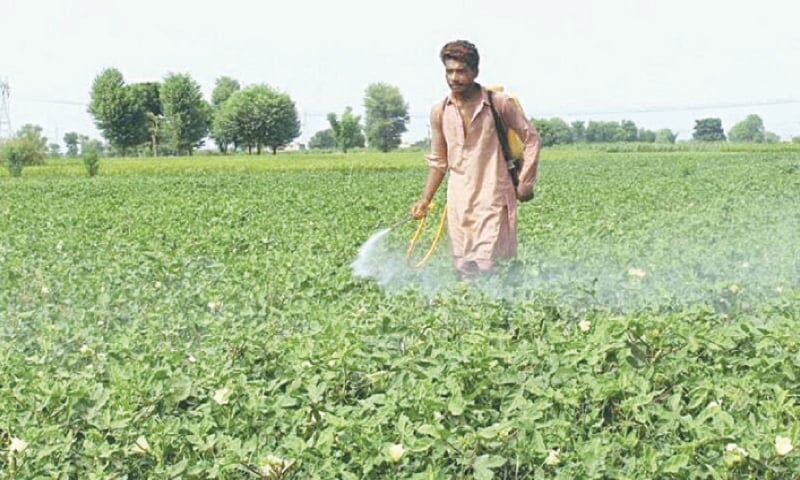

ISLAMABAD: The Ministry of National Food Security and Research has merged two key departments — the Department of Plant Protection (DPP) and the Animal Quarantine Department (AQD) — to form the National Agri-Trade and Food Safety Authority (NAFSA), aimed at modernising Pakistan’s agricultural trade infrastructure in line with global phytosanitary and food safety standards.
The DPP was originally established under the International Plant Protection Convention, while AQD was tasked with preventing the entry of foreign animal diseases. Their integration into NAFSA is intended to create a modern, scientific, and data-driven body capable of ensuring compliance with Sanitary and Phytosanitary (SPS) requirements while also facilitating access to quality agricultural inputs to promote surplus production and national food security.
A DPP official said NAFSA reflects the ministry’s broader vision of promoting sustainable agricultural exports and enhancing Pakistan’s credibility as a reliable source of plant and animal products. The authority will replace outdated structures with a technology-driven institutional framework aligned with international best practices.
While the DPP has shown relatively better performance in plant protection, AQD faced persistent staffing constraints that hampered its efficiency. However, sources familiar with the development noted uncertainty regarding NAFSA’s future role in locust control—a responsibility previously managed by the DPP.
NAFSA to align Pakistan with global food safety and phytosanitary standards
According to a press release issued by the ministry on Saturday, the reforms are aimed at improving Pakistan’s compliance with international trade requirements and boosting its export competitiveness. On the directives of Minister for National Food Security and Research Rana Tanveer Hussain, the DPP has undertaken a series of transformative, corrective, and disciplinary measures over the past six months to strengthen regulatory systems and operational efficiency.
Import regulations
As part of the broader institutional overhaul, the DPP has initiated several strategic projects, including the upgrading of testing laboratories and the establishment of modern infrastructure.
One of the most significant reforms has been the revision of import regulations based on scientific assessments, leading to a substantial reduction in the use of Methyl Bromide (MB) — a pesticide often applied unnecessarily. This regulatory shift has resulted in cost savings of Rs30,000 to Rs40,000 per container, particularly benefiting imports of cotton, grains, pulses, and lentils.
The move has been welcomed by industry stakeholders as a major step toward rationalised pesticide use and environmental sustainability.
The ministry also revealed that a detailed internal audit — carried out under the minister’s instructions for stricter compliance and transparency— found that a company was importing Methyl Bromide from a suspicious source. A rigorous investigation followed, involving third-party verification and document cross-checking.
The company’s licence was promptly suspended for regulatory violations, and, in coordination with Pakistan Customs, four under-process shipments worth approximately $1 million were intercepted at the port before clearance.
These enforcement measures not only prevented the potential entry of hazardous substances but also reinforced the ministry’s zero-tolerance stance on malpractice. Disciplinary action has been initiated against officials found involved in misconduct.
The minister reaffirmed the government’s commitment to structural reforms, stating that Pakistan’s agricultural and quarantine systems will be aligned with international benchmarks.
He stressed that no leniency will be shown to those who violate the law or compromise national interests.
The unearthing and disruption of this high-value scam, he said, underscores the ministry’s resolve to uphold transparency, fair competition, and institutional integrity.
Published in Dawn, July 13th, 2025