THE world has spent the past 80 years building the current multilateral system —anchored by institutions like the United Nations and the World Bank. Born from the devastation of two world wars, this system was largely designed and driven by the United States with the goal of ensuring lasting peace and shared prosperity.
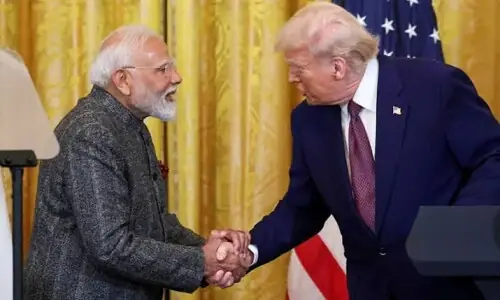
Yet it took only a few months — perhaps a few years, if counting his first term — for President Donald Trump to seriously disrupt this structure. By withdrawing from or weakening key multilateral treaties and organisations, Trump fundamentally challenged the foundations of the international order.
The pressing question now is whether the multilateral world that has shaped global norms for eight decades can endure without the active engagement of the United States. Equally important: What role, if any, can middle-power countries like South Korea play in this evolving global landscape?
This is not a theoretical concern for Korea, which faces a pivotal presidential election in less than a month. As the international order shifts rapidly under the weight of Trump’s impulsive and unpredictable trade and security policies, Seoul must define and assert its role to stay relevant. In a new multipolar system where powers like the European Union and China are already moving to fill the vacuum left by US retreat, Korea needs leadership that understands and champions the multilateralism that has underpinned its economic and security gains for decades.
So what will the world look like in an era of American isolationism? Will the multilateral system collapse with the withdrawal of its chief architect? Unlikely. Institutions like intergovernmental organisations and other frameworks of global governance have weathered previous crises — such as oil shocks and regional conflicts — and have proven resilient. They may survive the current turbulence, but the contours of the system will inevitably shift. New norms and agendas will emerge, shaped by rising powers such as the EU and the BRICS countries — Brazil, Russia, India, China and South Africa, among others — who are increasingly asserting themselves on the global stage.
Since his second inauguration, Trump has pulled the US out of several intergovernmental organisations, including Unesco, the UN Human Rights Council and the World Health Organisation. He cited alleged anti-Israel and pro-China biases as justifications. These withdrawals, coupled with the US exit from the Paris Agreement on climate change, have seriously weakened multilateral institutions — especially given America’s historic role as a major funder and influencer. The WHO, for instance, has already reported funding shortfalls that it warns could endanger global health efforts.
Perhaps even more damaging is Trump’s aggressive trade policy. From day one of his second term, he imposed or threatened steep tariffs on both allies and rivals. Product-specific tariffs — on steel, automobiles and more — were layered on top. Trump’s latest move, a proposal for sweeping “reciprocal tariffs,” would impose a 25 percent blanket tariff on Korean exports to the US. His agenda is clear: Dismantle the WTO’s multilateral trade framework and replace it with bilateral deals where American leverage is maximised.
Despite this, multilateralism is likely to persist — though in a different form. Rather than being dominated by a single superpower, IGOs and other international mechanisms will be increasingly influenced by multiple major players.
Published in Dawn, May 12th, 2025