RIO DE JANEIRO: Diplomatic tensions over global warming will take centre stage at the G20 summit in Brazil this week, as negotiators at UN talks in Azerbaijan hit an impasse on climate finance that they hope leaders of the world’s 20 major economies can break.
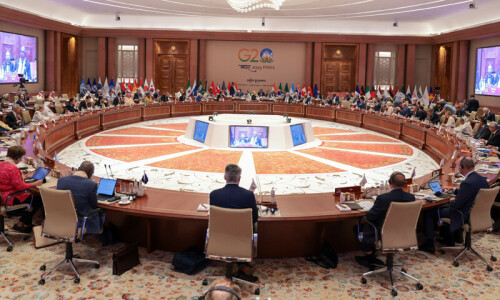
Heads of state arriving in Rio de Janeiro on Sunday for the G20 summit will spend Monday and Tuesday addressing issues from poverty and hunger to the reform of global institutions. Still, the ongoing UN climate talks have thrown a spotlight on their efforts to tackle global warming.
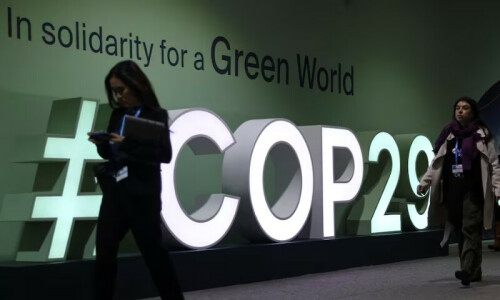
While the COP29 summit in Baku, Azerbaijan, is tasked with agreeing a goal to mobilise hundreds billions of dollars for the climate, leaders of the Group of 20 major economies half a world away in Rio are holding the purse strings.
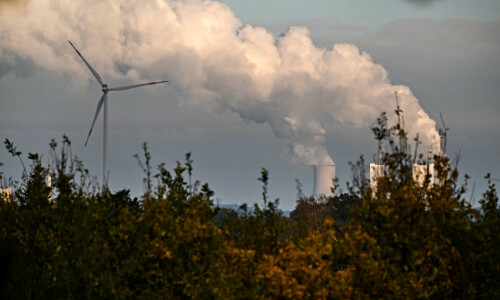
G20 countries account for 85 per cent of the world’s economy and are the largest contributors to multilateral development banks helping to steer climate finance. They are also responsible for more than three-quarters of greenhouse gas emissions worldwide.
G20 countries responsible for over 75pc greenhouse gas emissions
“All countries must do their part. But the G20 must lead,” UN Secretary General Antonio Guterres told COP29 last week. “They are the largest emitters, with the greatest capacities and responsibilities.” Reaching such an accord may only get tougher with the return to power of US President-elect Donald Trump, who is reportedly preparing to again pull the US out of the Paris climate accord.
Trump is also planning to roll back landmark climate legislation passed by the outgoing Joe Biden, who will become the first US president to visit the Amazon rainforest when he makes a stop there on his way to Rio.
UN climate chief Simon Stiell wrote a letter to G20 leaders imploring them to act on climate finance, including boosting grants for developing nations and advancing reforms of multilateral development banks.
However, the same fights that have plagued COP29 since it began last week are spilling over into G20 negotiations, according to diplomats close to the Rio talks.
COP29 must set a new goal for how much financing should be directed from developed countries, multilateral banks and the private sector to developing nations. Economists told the summit it should be at least $1 trillion.
Wealthy countries, especially in Europe, have been saying that an ambitious goal can only be agreed if they expand the base of contributors to include some of the richer developing nations, such as China and major Middle Eastern oil producers.
Discussions of a G20 joint statement in Rio snagged on the same issue, with European nations pushing for more countries to contribute and developing countries such as Brazil pushing back, diplomats close to the talks said
Published in Dawn, November 18th, 2024