KARACHI: Pakistan has called on the United Nations for a “concerted campaign” to recover all weapons from terrorist groups such as the banned Tehreek-i-Taliban Pakistan (TTP), Dawn.com reported.
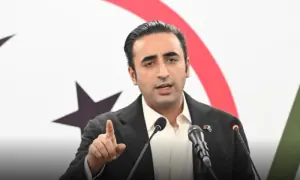
Speaking at the UN’s Fourth Review Conference of the Programme of Action (PoA) on Small Arms and Light Weapons (SALW) on Tuesday, Ambassador Munir Akram expressed Pakistan’s “grave concern over the acquisition and use of modern and sophisticated small arms by terrorist groups, such as [the] TTP” and highlighted the “need for a concerted campaign to recover all weapons from terrorist groups like the TTP”.
According to a statement issued by the Pakistani mission to the UN, Ambassador Akram also called for an investigation into how these groups acquired such sophisticated weapons. He asserted it was the UN member states’ and the UN’s responsibility to take measures to prevent the illicit trade, transfer, and diversion of these arms.
“Terrorists and criminals do not manufacture these arms. They acquire them from illicit arms markets or receive them from entities that want to destabilise a particular region or country,” he said.
Akram for inquiry into how terrorists acquire sophisticated weapons
The envoy highlighted how the “illicit proliferation, excessive accumulation and misuse of SALW” was exacerbating conflicts, fueling terrorism, threatening peace and security, and undermining sustainable development globally.
He said the advent of new technologies, such as unmanned aerial vehicles (UAVs) and drones was “deepening challenges in combating the proliferation of increasingly lethal small arms”.
While describing the UN-PoA and the International Tracing Instrument (ITI) as a structured framework to address the challenges pertaining to the illicit trade and trafficking of SALW, Ambassador Akram reiterated Pakistan’s commitment to both tools. “We have strengthened our legislative frameworks, enhanced transfer controls and implemented robust measures to prevent the diversion of SALW to unauthorised users,” he asserted.
End conflicts to tackle arms challenge
However, he pointed out the limitations of a supply-side approach to tackling the SALW challenges and demanded more strenuous efforts and resources to “resolve and end conflicts in various regions and sub-regions, end terrorist activities, and eliminate organised crime”.
Commenting on a revised draft outcome document (Draft-1) for addressing the illicit proliferation of SALW, the ambassador highlighted various points, including building consensus on the scope of the PoA. He stressed the need to maintain a balanced approach between the valid concerns over arms’ illicit proliferation and legitimate security concerns of all states.
He termed the ongoing conference a critical step in reaffirming collective resolve to tackle SALW-related challenges and ensure global safety and security.
Islamabad has long held that the banned TTP uses safe havens in Afghanistan to launch deadly cross-border attacks. In March, Pakistan had called on the UN Security Council to urge the Taliban rulers in Afghanistan to terminate their relationship with the TTP.
Last month, Pakistan’s Special Representative on Afghanistan Asif Ali Durrani had stated that TTP attacks in the country increased by 60 per cent in two years, showing a significant rise since the Afghan Taliban took over Kabul in 2021. Days later, Pakistan and the United States reaffirmed the continuation of counterterrorism cooperation to advance regional and global security and stability.
However, Pakistan has witnessed an uptick in terror activities in the past year, especially in KP and Balochistan.
According to an annual security report issued by the Centre for Research and Security Studies, Pakistan witnessed 1,524 violence-related fatalities and 1,463 injuries from 789 terror attacks and counter-terror operations in 2023 — marking a record six-year high.
KP and Balochistan were the primary centres of violence, accounting for over 90 per cent of all fatalities and 84pc of attacks, including incidents of terrorism and security forces operations.
Published in Dawn, June 20th, 2024