Capital’s air quality continues to plummet without mitigation measures


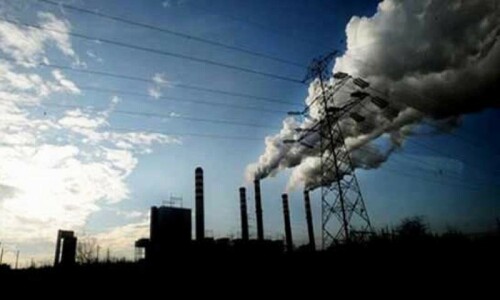
ISLAMABAD: In the absence of mitigation measures and a rise in unregulated construction projects in the federal capital, the air quality in Islamabad has continued to deteriorate mostly on the back of vehicular emissions and rapid industrialisation, significantly adding to the concentration of particulate matter in the air.
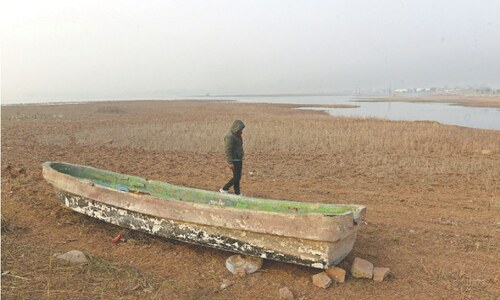
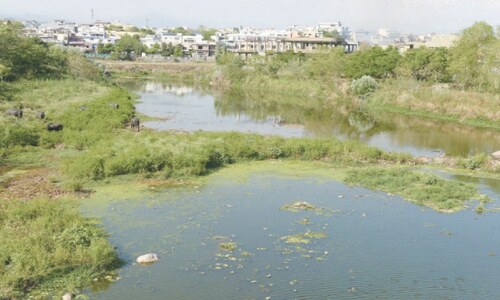
Not only this, the waterways in and around the capital territory face contamination from various sources, including industrial discharges, agricultural runoff, and domestic waste. The deteriorating quality of water threatens both public health and aquatic life.
Quite recently, a report in this paper mentioned that the Rawal lake — which provides water to Rawalpindi — has been receiving untreated discharge from polluted streams, primarily Korang nullah, which flow into it.
According to the environmental monitoring team of the Pakistan Environmental Protection Agency (Pak-EPA), air pollution poses serious health risks, including respiratory illnesses, cardiovascular diseases, and other chronic conditions.
Vehicles, industrialisation emissions largely responsible; waterways contaminated as well
In order to gauge the magnitude of the problem, the EPA launched two projects to study serious challenges related to air pollution, predominantly from industrial emissions and vehicular traffic and water pollution. These pollutants posed severe risks to human health and the ecosystem, necessitating immediate and effective action, according to the EPA.
The project focused on air pollution and saw the EPA’s environmental monitoring team diligently collect 24-hour samples of airborne total suspended particulate (TSP) matter from diverse locations across Islamabad. The samples were collected from industrial areas of I-9 and I-10, G-11 Markaz, and the rural vicinity of Taramri Chowk.
According to the EPA, this study aimed to map pollution hotspots and provide critical insights into the health risks associated with TSP exposure. The data would inform future policies and interventions aimed at reducing particulate emissions and improving air quality in the capital city.
Water pollution
The second project titled ‘Analysis of Surface and Reservoir Water Quality’ is being conducted for extensive analysis of surface and reservoir water quality.
“Composite samples had been collected from key water bodies, including the Korang River, Angoori Dam, Chattar Park, Rumli, Jinnah Nullah, Bhara Kahu Nullah, and Shahdara,” the EPA said, adding that Rawal Dam and Simly Dam were also included in the sampling list to evaluate water quality comprehensively.
According to the authority, these samples are under analysis to detect contaminants and assess water quality parameters.
The objective is to identify pollution sources, evaluate the extent of contamination, and provide recommendations for optimising water quality to ensure safe and clean water for Islamabad’s residents.
The outcomes of this study are crucial for developing effective water management strategies and protecting aquatic ecosystems.
In a statement, the EPA said its measures to analyse and address air and water pollution would likely yield significant benefits for the environment and public health.
By identifying pollution sources and quantifying the impact of airborne particulates, the air quality study would help formulate policies to reduce emissions and a reduction in pollution-related health issues. “The water quality analysis will play a pivotal role in safeguarding Islamabad’s water resources, ensuring access to clean water, and protecting aquatic habitats.”
Published in Dawn, June 16th, 2024