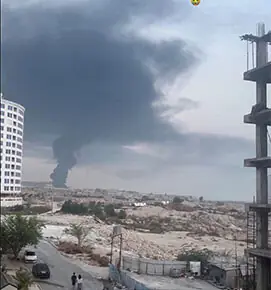
The Israeli military’s “widespread” use of white phosphorous munitions in its cross-border attacks on southern Lebanon is placing “civilians at grave risk”, and adding to the further displacement of local people, Human Rights Watch (HRW) has said, Al Jazeera reports.
In a new report, the New York-based global rights group said it had documented the use of white phosphorous by Israel in attacks on at least 17 municipalities in southern Lebanon since October 2023.
The Israeli attacks included five “municipalities where airburst munitions were unlawfully used over populated residential areas”.
A wax-like, toxic substance that burns at more than 800°C, white phosphorous is dispersed in artillery shells, aerial bombs and rockets. It burns hot enough to melt metal and is used to immolate buildings, agricultural areas and other civilian infrastructure.
“Israel’s use of airburst white phosphorus munitions in populated areas indiscriminately harms civilians and has led many to leave their homes,” said HRW’s Lebanon researcher Ramzi Kaiss.
“Israel forces should immediately stop using white phosphorus munitions in populated areas, especially when less-harmful alternatives are readily available,” Kaiss said.