LONDON: The International Maritime Organisation (IMO) is working “tirelessly” to solve the Red Sea crisis, which is severely disrupting the global transport of goods, its head Arsenio Dominguez said.
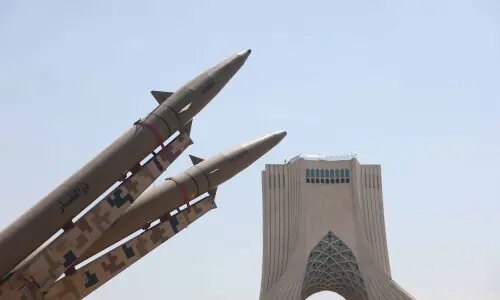
Yemen’s Houthi rebels, supported by Iran, have launched dozens of attacks against ships in the Red Sea since November, targeting boats headed for Israel in an act of “solidarity” with inhabitants of the Gaza Strip, which is in the grip of the Israeli aggression.
Despite retaliatory strikes by the US and UK, the rebels are still launching attacks, firing at US ship “Star Nasia” and UK vessel “Morning Tide” on Tuesday.
The IMO, the United Nations agency responsible for security at sea, is working to ensure that “parties continue to talk so that the situation does not degenerate any further, and we can return to a safe maritime environment,” Panama-born Secretary General Dominguez said on Thursday.
Impact on Suez Canal revenue can be partly absorbed, says Egypt
“We are working tirelessly to coordinate action that will lead to a resolution,” Dominguez added from the IMO’s London headquarters.
The region is crucial for the global transport of goods, with around 12 per cent of global maritime trade normally passing through the Bab el-Mandeb Strait, which controls access to the southern Red Sea.
Many shipowners have decided to stop operating in the Red Sea, instead sending their ships on the longer route around the south of Africa.
But “this is not the ideal solution”, admitted Dominguez, as it increases the cost of transport, and ultimately the price of the cargo.
“We now have more than 60 per cent of the annual tonnage the normally goes through the Suez Canal now going around southern Africa,” he explained.
Insurance has also gone up and increased fuel use is creating additional costs.
There is also a human impact, with crew having to spend extra days at sea, said Dominguez.
The IMO’s objective is therefore to “provide practical and operational measures so that ships can continue to operate”, he added.
Despite the headwinds, Dominguez said he remained “optimistic” about a resolution to the conflict.
Suez Canal revenue
Egypt’s Finance Minister Mohamed Maait said part of the impact on Suez Canal revenue of the Red Sea attacks on vessels could be absorbed, thanks to previous growth which had been doing well before the incidents started.
Maait said the government was planning to rely more on the private sector in terms of project expenditure, adding: “If you look at (project spending) figures for the last 7 months, it has dropped by 10 per cent,” he said on the sidelines of the World Governments Summit in Dubai.
Published in Dawn, February 12th, 2024