WASHINGTON: The evolving political landscape in Pakistan ahead of its third consecutive parliamentary election on Feb 8 presents a complex web of challenges, US think tanks argue in their election reports.
According to them, the confluence of political repression, militant threats, and military influence cast a shadow over the democratic process, leaving questions about the fairness of the elections and potential implications for Pakistan’s democratic future.
The military’s alleged favoritism toward Sharif, who returns from exile with legal reprieve, raises suspicions of manipulation, amplifying concerns about the fairness of the upcoming polls. The international community, including the US, closely watches these developments, as the fairness of the electoral process is questioned.
US think tanks express concerns about thousands of candidates from Imran Khan’s party, the PTI, facing rejected nomination papers and various forms of harassment.
The Armed Conflict Location & Event Data Project (ACLED) sheds light on political repression and militant targeting in Pakistan, emphasising an economic downturn, border tensions, and rising militancy.
The New York-based Human Rights Watch (HRW) underlines another serious concern. “Government threats and attacks on the media created a climate of fear among journalists and civil society groups, with many resorting to self-censorship. Authorities pressured or threatened media outlets not to criticise government institutions or the judiciary,” it warns in its latest report on Pakistan.
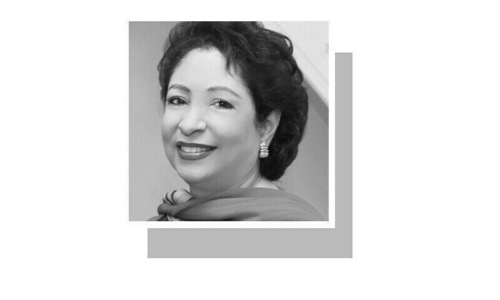
“The elections arrive as Pakistan faces the twin crises of terrorism and near collapse of the economy,” says Tamanna Salikuddin, director of South Asia programmes at the US Institute of Peace (USIP).
“The newly elected civilian government will be expected to revive the failing economy and likely negotiate a new IMF program by spring 2024.”
“Can Pakistan expect fair and free elections?” asked Noah Berman and Clara Fong of the US Council on Foreign Relations. “Experts say it is unlikely,” they said in response to the question in a joint piece they wrote for the council.
The report includes a quote from the global democracy watchdog Freedom House, claiming that Pakistan’s electoral process is considered “partly free”. While it holds regular elections, the country operates under a “hybrid rule” between the military and civilian government, and no elected prime minister has completed a full term.
The ACLED report further claims that Imran Khan, previously believed to have military support, now faces imprisonment and disqualification, engaging in a standoff with the military. The military’s preference for Nawaz Sharif adds complexity to the political landscape, indicating potential challenges to the democratic process.
The report highlights the challenges that PTI faces, including violent crackdowns on supporters, legal actions, and disruptions to their campaign.
The report claims that PTI’s opponents benefit from a favourable Supreme Court decision overturning bans on individuals with criminal convictions contesting elections. The recent postponement of elections, ostensibly for delimitation, raises suspicions of military manipulation, it adds.
Other think tanks shed light on militant threats, especially in Khyber Pakhtunkhwa and Balochistan that pose a severe challenge to Pakistan’s democracy, with militant groups targeting political parties. Their reports also mention how security risks prompted senators in Pakistan to seek election delays, further complicating the democratic landscape with an intricate interplay of militancy and politics.
As the US issues a security alert and international observers express skepticism about the fairness of the elections, implications for the US and other nations become crucial. The US State Department emphasises the importance of a democratic process, but concerns about military influence and the treatment of candidates raise questions about the stability of Pakistan’s democratic future.
The think tanks warn that the potential for a Sharif-led government, perceived as a military proxy, introduces uncertainties in regional geopolitics. The economic crisis, marked by a plummeting rupee, inflation, and a tenuous relationship with the IMF, adds complexity to the electoral dynamics and could impact the broader South Asian region.
They note that Pakistan’s critical electoral moment is marked by a complex interplay of political repression, militant threats, and military influence.
Published in Dawn, February 5th, 2024
To find your constituency and location of your polling booth, SMS your NIC number (no spaces) to 8300. Once you know your constituency, visit the ECP website here for candidates.