0
0

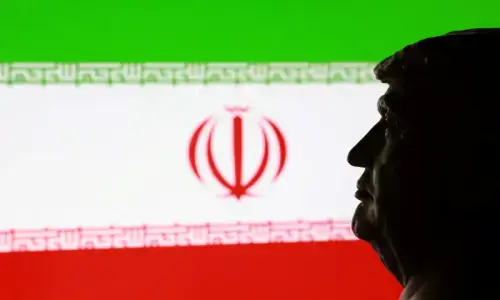
Iran has reversed a months-long slowdown in the rate at which it is enriching uranium to up to 60 per cent purity, close to weapons grade, the UN nuclear watchdog said on Tuesday.
Many diplomats believed the slowdown, which had begun by June, was the result of secret talks between the United States and Iran that led to the release of US citizens held in Iran earlier this year.
Iran already has enough uranium enriched to up to 60pc, if enriched further, to make three nuclear bombs, according to the International Atomic Energy Agency’s (IAEA) theoretical definition, and more at lower enrichment levels. Iran denies seeking nuclear weapons.
Iran has “increased its production of highly enriched uranium, reversing a previous output reduction from mid-2023”, the IAEA said in a statement summarising a confidential report to member states seen by Reuters that was sent minutes earlier.
Iran is enriching to up to 60pc, close to the roughly 90pc that is weapons grade, at its Pilot Fuel Enrichment Plant in its sprawling Natanz complex and at its Fordow Fuel Enrichment Plant, which is dug into a mountain.
Since the slowdown, those plants have been enriching uranium to up to 60pc at a rate of about three kilogrammes a month, the IAEA said.
“The agency confirms that, since the end of November 2023, the rate at which Iran has been producing uranium enriched up to 60pc U-235 at these two facilities combined has increased to approximately 9kg per month,” the report to member states said.
By the IAEA’s theoretical definition, around 42kg of uranium enriched to 60pc is the amount at which making a nuclear bomb with it cannot be excluded.
IAEA inspectors first observed a change in production at Fordow on November 25, after which Iran said the change was made on Nov 22, and that the rate of production was returning to the pre-slowdown level there, the report said.
Inspectors observed an increase in the production rate at Natanz on Nov 27, it added. The IAEA then verified the amount being produced at Natanz on December 19 and Fordow on Dec 24, it said. The IAEA did not formally notify its member states of the reversal of the slowdown until Tuesday’s report.