‘World Cup caused dangerous levels of fixture congestion’


 0
0


ISTANBUL: Nearly half the players competing at last year’s World Cup experienced extreme or increased mental fatigue during an unprecedented season of fixture congestion, according to international players’ union FIFPRO.
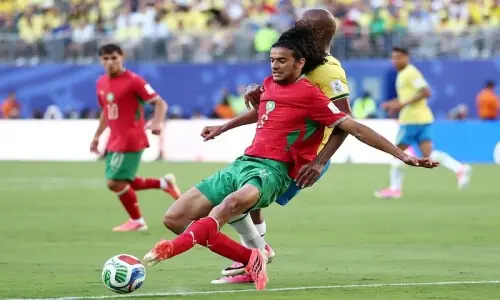
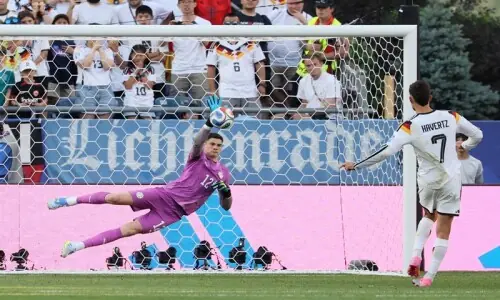
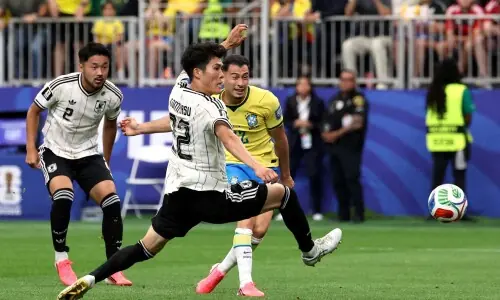
Domestic leagues paused in November for the first mid-season World Cup, with players denied preparation time for the Qatar showpiece and many returning immediately to club competition.
FIFPRO’s Player Workload Monitoring (PWM) platform, using data from 1,800 professional footballers, said the intense schedule had a detrimental impact on clubs and competitions.
The report, published on Thursday, found that the pre-World Cup months and post World Cup period saw “dangerous levels of fixture congestion” which posed a pressing danger to the physical and mental health of players.
“The industry needs a far greater collective effort to establish effective player workload safeguards and a responsible calendar solution that protects player health and supports player performance,” FIFPRO President David Aganzo said in the introduction to the report.
With imminent reforms to the Champions League and an expanded FIFA Club World Cup, FIFPRO says the demands on elite players will only increase over the next calendar cycle with an 11% rise in match load possible in 2024-25.
The report included case studies on elite players including Chelsea’s Enzo Fernandez, Manchester City’s Rodri, Real Madrid’s Vinicius Jr and his soon-to-be team-mate Jude Bellingham.
Manchester United’s France defender Raphael Varane was also used to showcase the demands on players at Europe’s top clubs.
Varane played for his club eight days after the World Cup final and in February announced his retirement from international football, aged 29.
“The calendar is already more than full; the players are over-worked, and it will get even worse,” Varane said.
“I’m afraid that we will witness much shorter careers and that players will have to give up the France team very early because, physically or mentally, what we are asking for today is simply beyond limits.”
According to Football Benchmark data, Varane made 248 appearances across all competitions since June 2018 with 58% of those back-to-back, defined by PWM as fewer than five days rest in between. He also travelled 229,244 kilometres for international trips during that period.
The World Cup being squeezed in to domestic seasons meant the usual preparation period was lacking with 68% of players in the final squad lists having less than two weeks to prepare for the tournament, while many had just days to recover after it.
Other factors contributed to the workloads of players, including FIFA’s drive to increase playing time in World Cup matches; with average stoppage time reaching 11 minutes.
The report found that 44% of players experienced more physical fatigue and 23% more mental fatigue in January compared to other seasons while 53% felt more likely to suffer injuries.
Clubs across Europe’s five big leagues suffered over 3,000 injuries during the 2022-23 season with the Premier League (686) and Serie A (679) faring worst while the most damaging months in France’s Ligue 1 were January and February.
Published in Dawn, June 9th, 2023