City’s toxic air quality termed biggest public health threat



KARACHI: Highlighting their concerns over the city’s poor air quality, experts on Monday called upon the government to make the Sindh Environmental Protection Agency (Sepa) effective and set up a mechanism to check and ban release of hazardous emissions in the city.
They expressed these views at an event — How can we improve the increasingly toxic air quality of Karachi — organised by the Karachi Citizens’ Forum held here at the PMA House.
The speakers regretted that Karachi stayed in the highest rank of the most polluted and unliveable cities of the world, in addition to being in the top 10 places with very high toxic air quality.
As Karachi was not enveloped in a Lahore like smog, citizens and environmental authorities live in a state of denial of its toxic air quality, they said.
Experts call for periodic monitoring of factories, ban on burning waste
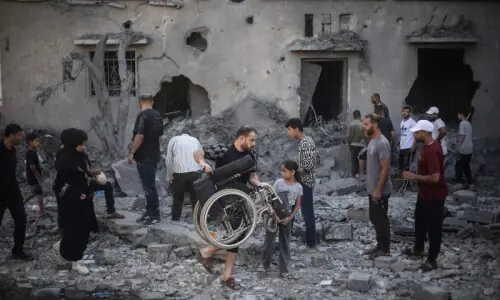
“It takes a tragedy like the Keamari and deaths to raise alarm. The toxic air quality of Karachi, and especially inhalation of particulate matter, is the number one public health threat and a silent killer,” said KCF’s Dr Qaiser Sajjad.
He added that there should be no factory in residential areas and those responsible for operating such an outlet should be punished under the law.
On toxic air’s effects on the human body, he explained that it penetrated into organs, and entered the bloodstream. These chemicals not only negatively affected the human genetic system and immunity but also had a negative impact on the development of the foetus.
“Air pollution is linked to so many illnesses including cancer, gastrointestinal disorders and cardiovascular and kidney diseases. It’s high time that the government take notice of the situation and start implementing measures to improve air quality,” said Dr Abdul Ghafoor Shoro of the Pakistan Medical Association.
Citing some estimates, the speakers said an estimated 128,000 lives were lost every year in Pakistan due to poor air quality while the average Pakistani life expectancy was going down by 4.3 years.
“According to the WHO, approximately seven million premature deaths take place in the world annually because of air toxicity. It is also the primary agent of climate change and reduces the feasibility of achieving the Sustainable Development Goals SDGS,” said Nargis Rahman of the KCF.
In Karachi, according to senior expert on environment and climate Dr Kulsum Ahmed, no accurate data was available on air pollution and that the worst affected were the poor who suffered serious illnesses that lowered their productivity.
“A recent study shows that the precautions taken by the rich, such as household air purifiers have not saved them from catching airborne diseases. The very large hospitalised numbers in Karachi testify to this,” she said.
The speakers expressed concern over the city’s extreme loss of green cover over the years, non-implementation of relevant laws and the ineffective role of Sepa over unregulated industrial and traffic emissions.
The speakers shared a series of recommendations on the subject including planning out air corridors in the city, environmental assessment and periodic monitoring of factories, placing a ban on burning waste, setting up a proper waste management system and working towards clean energy.
Published in Dawn, February 7th, 2023