The IT and telecom industry is growing at a very fast pace but bureaucracy is squeezing the sector.
The federal excise duty on mobile call and data is raised from 16pc to 19.5pc for Islamabad. As a result, the overall tax on mobile services would be 34.5pc, All-Pakistan Mobile Phone Association vice president Zeeshan Miannoor said.
It is already 19.5pc in provinces and instead of reducing it the government has increased it for Islamabad.
Similarly, sales tax on import of kits to assemble mobile sets is more than the sales tax on import of complete sets.
Sooner or later, the ban on imports will be lifted and people will start importing sets. Sales tax on locally assembled sets will be up to Rs4,000 and on the imported ones Rs200 each.
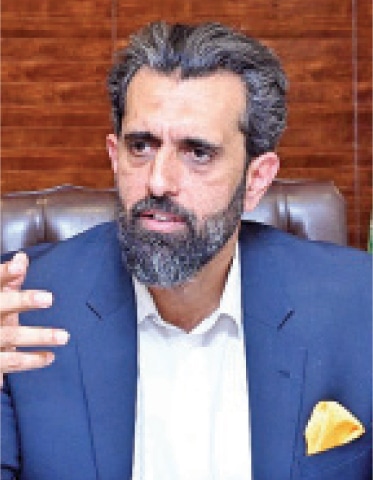
The government has presented a balanced budget under challenging economic environment, Rawalpindi Chamber of Commerce and Industry (RCCI) President Nadeem Rauf said.
He said but there were several announcements in the budget which need clarification.
The proposal to set up alternate dispute resolution commission for resolving tax disputes is a good step, he, however, said.
“We have reservations on setting up the limit of Rs100 million and its mechanism,” he said.
Similarly, the announcement of tax on immovable property needs a clarification.
“We fear that the step may push people for non-filing or benami which is against the true spirit of documentation of the economy
The fixed tax scheme for small traders is a good step and it will increase the tax net,” he said.
A significant amount of Rs364 billion has been allocated for Benazir Income Support, it will provide relief to the marginalised sections of the society.
For those earning less than Rs40,000, a monthly announcement of Rs2,000 relief is also a welcome step, at the same time tax incentives for IT and textiles will bring investments to these sectors.

It seems to be a balanced budget as there are promises to operationalise special economic zones soon. We need to boost industrialisation and exports, Islamabad Chamber of Commerce and Industry (ICCI) Mohammad Shakeel Munir said.
“We welcome the tax exemption on import of agricultural machinery and equipment but in the long term we have to promote local assembly and production of farm machinery.
“The introduction of fixed tax regime for small traders is also good, it will help expand the tax base and increase tax revenue. We also demand re-introduction of fixed tax regime for the marble industry,” he said, adding tax relief measures for the pharmaceutical industry is a good step and the fact that the tax threshold for small businesses has been increased from Rs400,000 to Rs600,000 is a good move.
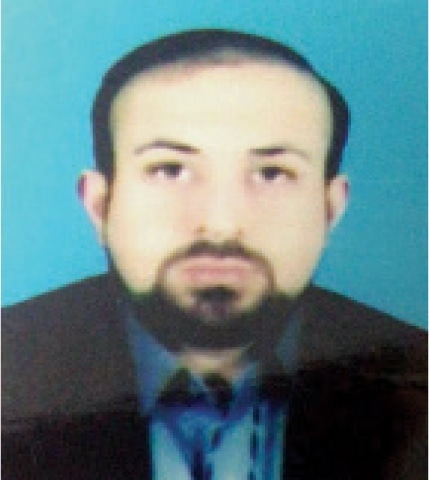
We welcome several steps taken by the new government and most importantly the tax exemption on the use of solar panels is noteworthy,” Markazi Anjuman Wholesale Fruits and Vegetable Market President Rizwan Farooq said.
“We all know t hat load shedding is not going anywhere but small power generation through solar panels will benefit all traders and wholesalers in congested markets where operating generators too is difficult and costly at the same time.”
He said the relief given to salaried class by changing tax slab from Rs600,000 to Rs12,00,000 will enhance their purchasing power and people will be able to spend more on fruits and vegetables.
“However, we feel that the export target for next year set at $35 billion is only achievable if conducive policies were introduced to promote export of fresh and value added fruits and vegetables. The trust gap with Federal Board of Revenue (FBR) has to be finished if exports were to be improved,” he added.
Published in Dawn, June 11th, 2022