Right to use of force should only rest with the state: experts



ISLAMABAD: The right to use of force should only rest with the state and ensuring rule of law, civic education, equality of citizens and youth and women’s engagement are vital to end extremism and terrorism in the country.
These views were expressed by experts in a two-day regional consultation on ‘Promoting soft approaches in countering terrorism and extremism in Pakistan’ organised by Pakistan Institute for Peace Studies (PIPS) at a local hotel.
The event was aimed at seeking input from experts to formulate a charter of peace, which, with the support and endorsement of key stakeholders would be pursued for realising the goal of sustainable peace in the country.
Besides others, journalists, religious scholars, academics, rights activists, former military officials, representatives of civil society and law enforcement agencies attended the event and took part in different sessions.
Say ensuring rule of law, civic education, equality of citizens and youth vital to end extremism, terrorism
PIPS Director Mohammad Amir Rana and Project Manager of the institute Najamuddin were the moderators.
The speakers underlined that students of mainstream schools and colleges were as vulnerable to radicalisation as those from seminaries and needed to be engaged by creating spaces for them at different platforms including activation of local bodies. They emphasised the need to engage peaceful youth movements that stood for human rights and democratic values.
They said these were the basic ingredients of a much needed charter of peace in the country.
The state, the political parties and parliament should move forward to give a counter narrative on extremism and terrorism and realise their responsibilities and ensure civic education and constitutional literacy to promote tolerance and equality for all citizens in society.
The participants were of the view that whatever space was available to political parties must be used to give counter narratives on extremism and they should engage the youth.
Dr Zafar Nawaz Jaspal of the Quaid-i-Azam University said that there were no tangible initiatives to de-radicalise society. He also said the government reaching an agreement with the banned Tehreek-i-Taliban Pakistan (TTP) would only have a “tactical but no strategic outcome in future.”
He cautioned that there should be a proper strategy to deal with “re-radicalisation”.
Former Corps Commander Peshawar retired Lt-Gen Masood Aslam in a panel discussion said hard approaches always created spaces for reliance on soft approaches but such opportunities had seldom been availed. He said the state and the government should give equal opportunities to citizens, including that of employment, to end extremism.
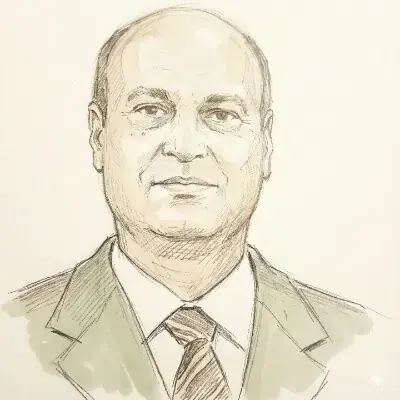
Former National Security Adviser retired Lt-Gen Nasir Khan Janjua was of the view that there was a need to redefine war on terrorism and soft approaches should be adopted.
“Prevent misuse of religion and that will dry down the militancy,” he said, urging a people-centric approach and introduction and implementation of madressah reforms.
He also said that a new counter-terrorism and counter-violent extremism (CVE) framework should be formed and parliament should play a key role to end extremism.
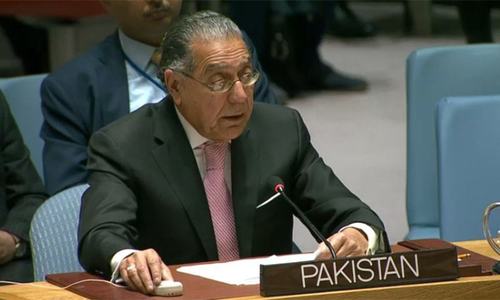
Former ambassador Qazi Humayun was of the view that the West would not accept Taliban government in Kabul and this would have blowback impact on Pakistan with rise in terrorism.
DSP Zarina Anjum, in-charge of CVE Section of Punjab’s Counter Terrorism Department (CTD), said that anti-radicalisation and counter-radicalisation were the two basic steps that should be prioritised ahead of de-radicalisation. DSP Shafqat Rasheed, another officer of CTD Punjab, in his remarks said that there was a need to de-radicalise those terrorists who were languishing in jails by engaging their families and childhood friends.
Senior journalist and columnist Wusatullah Khan said the use of force should only be the domain of the state.
Renowned economist Dr Kaiser Bengali said equal distribution of resources and wealth was necessary for “economy of peace”.
Journalist and rights activist Wajahat Masood emphasised the need for giving due rights to minorities.
“The way we have treated our minorities is a recipe of extremism,” he said.
PIPS Director Mohammad Amir Rana in his welcome note highlighted the need to improve the counter-narrative paradigm and said that mere absence of armed conflict alone does not amount to peace.
Published in Dawn, November 21st, 2021