Saudi Arabia scores small Yemen win by averting new war front

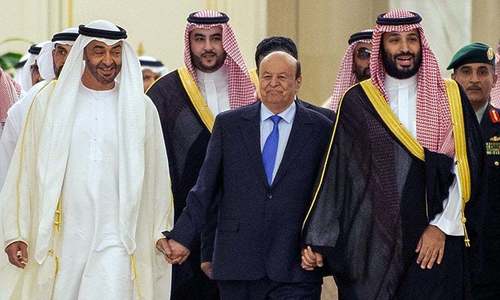
Saudi Arabia claimed a small win in Yemen on Tuesday by sealing a deal between the Saudi-backed government and southern separatists to end a power struggle that had opened a new front in the multi-faceted war and risked further fragmenting Yemen.
The stand-off over control of the south left Riyadh struggling to hold together a Sunni Muslim alliance formed in 2015 to fight the Iran-aligned Houthi group as the United Nations tries to restart political talks to end the ruinous war.
What happened in the south ?
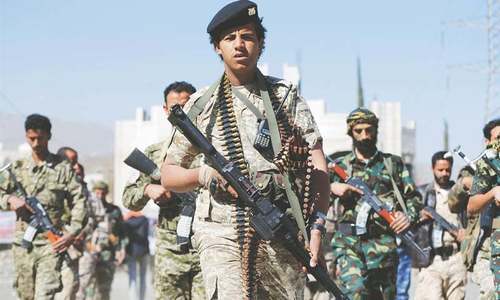
Separatist forces — supported by Riyadh's main coalition partner the United Arab Emirates (UAE) — are part of the alliance but have a rival agenda to the internationally recognised government of Abd-Rabbu Mansour Hadi that was ousted from power in the capital, Sanaa, by the Houthis in late 2014.
The Southern Transitional Council (STC), which seeks self-rule in the south and wants a say in Yemen's future, turned on Hadi in August after accusing the Islamist Islah party allied to him of complicity in a Houthi missile attack on its forces.
The STC seized the government's interim base in Aden port and tried to extend its reach in nearby Abyan and Shabwa, clashing with government troops. When those forces tried to retake Aden, the UAE intervened against them with air strikes.
Saudi Arabia boosted its forces in the south and secured an informal truce. It launched indirect talks between the two sides in early September.
What was agreed?
The STC would join a new cabinet and tens of thousands of UAE-backed southern forces would be placed under government control.
The deal calls for:
Forming a new cabinet of no more than 24 ministers within 30 days, with 50 per cent of portfolios held by STC and other southern movements.
Including STC in political negotiations to end the war.
Placing all military forces under the defence ministry and security forces under the interior ministry.
Forces deployed to the south since August return to previous positions within 15 days. Medium and heavy weapons in Aden are handed over under coalition supervision.
The government and STC military forces leave Aden province within 30 days, while security inside the city will be overseen by Saudi Arabia's military.
What does it mean for the coalition ?
Saudi Arabia now bears most of the burden in an unpopular war that it launched to prevent Iran from using the Houthis to build influence along its southern borders.
Emirati forces quit Aden last month, handing control to Saudi troops. Hadi's government asked the UAE to stop supporting separatists.
Abu Dhabi, which distrusts the Islah party, said his government was ineffective.
The UAE, which started pulling out of Yemen in June as Western allies pressed for an end to the war, said it would continue operations against militant groups like Al Qaeda, among Yemen's many destabilising forces.