Digitised textbooks for grade 4 and 5
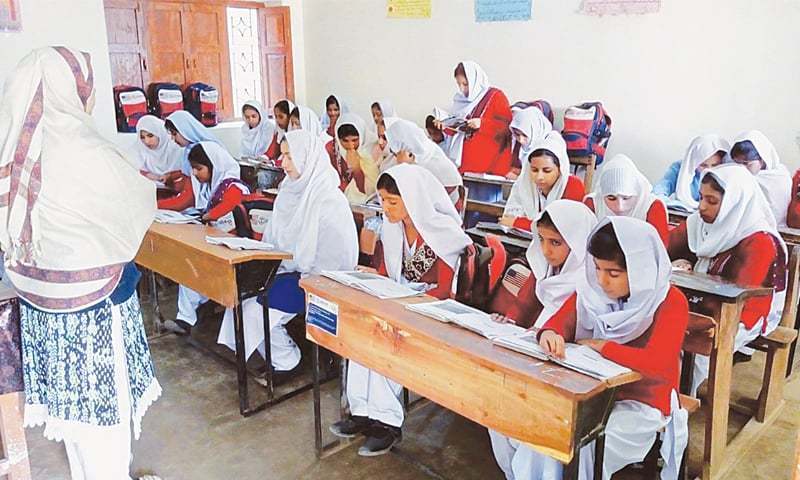
LAHORE: The Punjab School Education Department plans to introduce signification changes to curriculum to facilitate children and improve the conditions of public schools in the province.
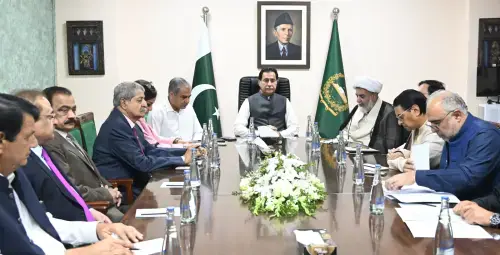
“We’re planning to make significant changes to the curriculum so as to improve the condition of school education,” Dr Murad Raas, minister for school education department, said at the launch of ‘Digitised Textbooks for Primary Grades 4 and 5’ on Thursday. The textbooks are developed by the Punjab Information Technology Board (PITB).
“We’ve also observed that in the last three months, the school education department has never been under the radar of government reforms despite PITB’s technological reforms.”
The digitised textbooks for primary grade four and five classes include 670 animated videos, 3,288 audio minutes, 580 audio voice over minutes, 130 simulations and 260 MCQs.
“It’s a landmark project, which needs to be made more simplified, accessible to all students and to create awareness in this regard,” he added.
The minister said PITB’s initiative of digitising textbooks was a revolutionary step, which could help the students manifolds and to eliminate the tuition culture. Though textbooks for grade six to 10 were digitalised two years ago but lacked awareness, which required marketing on massive scale, he said.
Mr Raas said a centralised database was being established to gather all information regarding teachers’ and students’ attendance, curriculum activity, respective monitoring and indicating missing facilities at one place, having common sharing, to be developed within next three months.
“PITB’s mapping of schools in Punjab through ICT interventions identified location, NSB Fund, students’ enrollment and number of teachers, to assess the requirements of the particular schools and to help in rationalising the need and demand of employees at schools and to regulate their needs,” he added.
PITB Chairman Habibur Rehman Gilani informed the audience that human resource and salary details of schools was being computerised and software by the PITB for education and other sectors were providing data to policy makers.
Published in Dawn, December 28th, 2018