0
0

ISLAMABAD: As hopes that the caretaker national health services (NHS) ministry will increase cigarette prices in the country decline, civil society activists have decided to halt their advocacy campaign until a new government comes into power.
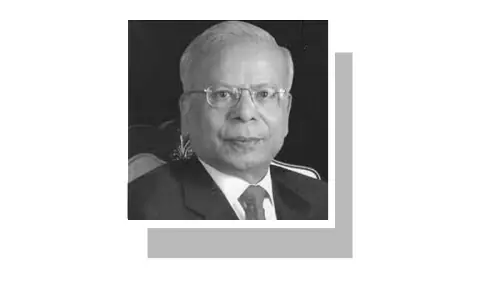
Network for Consumer Protection head Nadeem Iqbal told Dawn the caretaker government may not look into the issue of increasing cigarette prices.
“We have started waiting for the upcoming parliament and will start the advocacy campaign with them. We hope that the new government will reduce the prices of tobacco products,” he said.
On May 25, former NHS minister Saira Afzal Tarar had moved a letter to then finance minister Dr Miftah Ismail asking him to take the necessary measures to increase cigarette prices and protect peoples’ lives.
The letter, which was signed by then NHS secretary Naveed Kamran Baloch and is available with Dawn, stated that tobacco use causes the deaths of around 160,100 Pakistanis a year. Nearly 23.9 million adults currently use tobacco, it said, and the economic costs of smoking in Pakistan is over Rs143 billion.
The letter said that as a signatory to the Framework Convention on Tobacco Control, Pakistan has to increase taxes and cigarette prices to reduce consumption.
According to the World Health Organisation, taxes on tobacco products should be 70pc of their retail prices.
The letter said Pakistan also has to meet the targets of the Sustainable Development Goals (SDGs), because of which it is necessary to reduce tobacco consumption as consumption is a major reason of non-communicable diseases.
The ministry had said that according to a study, a uniform specific excise tax that accounts of Rs44 per pack of 20 cigarettes could reduce the number of smokers by 13.2pc and increase revenue by Rs39.5bn.
This could also reduce 650,000 premature deaths caused by smoking and prevent 2.6m young people from taking up smoking.
An NHS ministry official who asked not to be named said the decision makers in the former government appeared uninterested in reducing cigarette prices not only because of the tobacco industry’s influence but also because a number of politicians and bureaucrats had relatives working in the industry.
“As noble and well-reputed personalities became prime minister and members of the federal cabinet we were hoping they might take some steps in that regard. However, our hopes are dying with every passing day,” he said.
When contacted, NHS ministry spokesperson Sajid Shah said the caretaker government’s main responsibility was to deal with day to day affairs.
“Moreover, there is a small cabinet and each minister has many portfolios, due to which it is not possible for them to look into technical issues and address them. I think the next government will look into policy issues,” he said.
Published in Dawn, July 8th, 2018