30
30

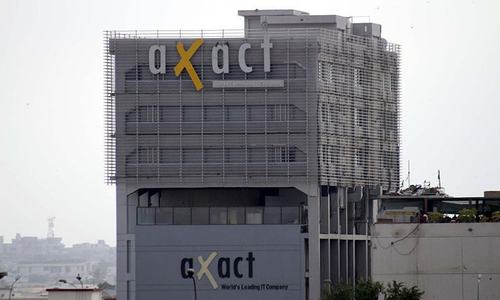
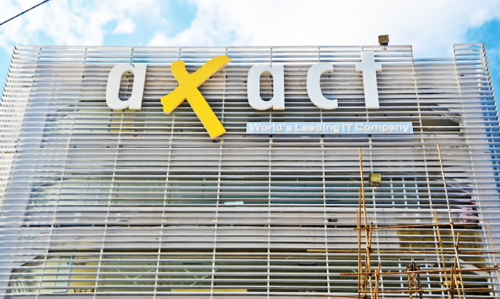
A Pakistani man associated with Axact in a senior capacity pleaded guilty on Friday in the US to charges of conspiracy to commit wire fraud in connection with an international “diploma mill” scheme, according to the US Department of Justice (DOJ).
Umair Hamid, 30, admitted to the charges before US District Judge Ronnie Abrams, the US DOJ reported on its website.
“Operating from Pakistan, Umair Hamid helped fraudulently rake in millions of dollars from unwitting American consumers who paid to enroll in, and get degrees from, high schools and colleges that did not exist," Acting US Attorney Joon H. Kim was quoted as saying in the US justice department press release.
Kim added: "As a result of his fraud, people who thought they were investing in an education received nothing more than worthless diplomas and a harsh lesson in the worldwide reach of deceit."
"Together with our partners at the FBI and the Postal Service, we will continue to work to protect consumers from scams that victimise our citizens," he said.
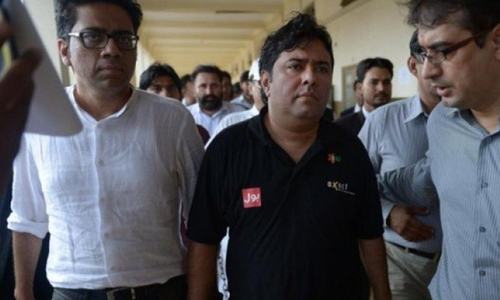
Hamid, an executive at software firm Axact, was arrested on Dec 19, 2016, according to a statement by former Manhattan US Attorney Preet Bharara. He was produced in a federal court in Fort Mitchell, Kentucky, the following day.
According to a press release issued at the time by the US Attorney’s Office, Southern District of New York, "Axact promoted and claimed to have an affiliation with approximately 350 fictitious high schools and universities, which Axact advertised online to consumers as genuine schools.
"During certain time periods since 2014, Axact received approximately 5,000 phone calls per day from individuals seeking to purchase Axact products or enroll in educational institutions supposedly affiliated with Axact.
"When consumers asked where the schools were located, sales representatives were instructed to give fictitious addresses."
Read the full US DOJ press release here.
US authorities had accused Hamid of directing websites of so-called 'schools' to falsely represent that consumers who 'enrolled' with these schools by paying tuition fees would receive online instruction and coursework, and to sell false academic 'accreditations' in exchange for additional fees.
The accusations extended to cover false representations by these schools that they had been certified or accredited by various educational organisations, and for falsely representing that degrees issued by these schools were valid and accepted by employers, including in the US.
Pakistan had asked US authorities last year to help it investigate Axact, which had been suspected of earning millions of dollars from the sale of bogus university degrees online.
Hamid resumed selling fake diplomas, duping US consumers into paying upfront fees to enroll in fake high schools and colleges even after Pakistani authorities shut Axact down in May 2015, according to Bharara's statement.