52
52


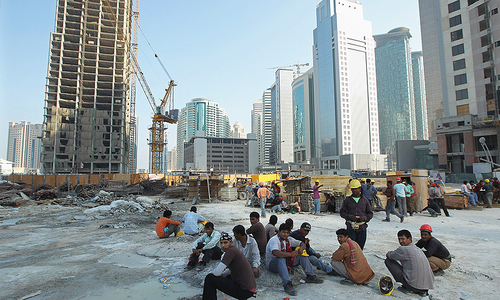
WASHINGTON: Wealthy Gulf Arab states such as Saudi Arabia and Qatar as well as the so-called BRICs emerging market nations should do more to help Syrian refugees, a senior United States (US) official said on Friday.
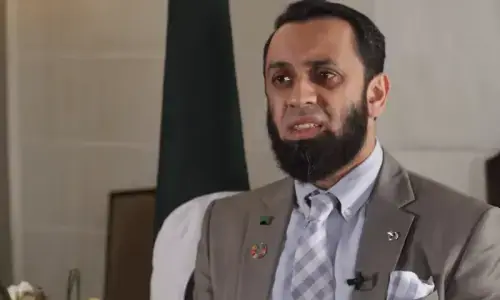
"I would like to see more aid come from the Gulf states that are in the Middle East area and are relatively wealthy compared to Jordan and Lebanon," Assistant Secretary of State Anne Richard told C-SPAN's 'Newsmakers' program.
"We would also like to see more from the so-called BRICs — Brazil, Russia, India, China and, to a lesser extent South Africa," she added.
"These are the wealthy states that care about the region that could and should be doing more on the humanitarian side."
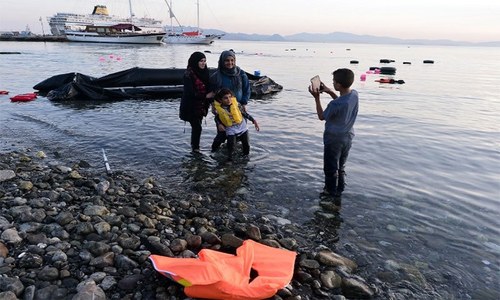
About 250,000 people have died and some four million driven abroad as refugees because of the Syrian conflict, which began in 2011 with protests against Syrian President Bashar al-Assad and has evolved into a full-blown civil war.
The majority of the refugees have flowed into neighbouring nations such as Turkey, Jordan and Lebanon but hundreds of thousands have also made their way to Europe.
Richard said that some Gulf Arab states such as Kuwait and the United Arab Emirates (UAE) had contributed strongly for refugees while others, such as Saudi Arabia and Qatar, could do more.
She said some Gulf states' contributions for refugees varied from year to year and that she would like to see their efforts better integrated into the international humanitarian system.
None of the six states in the Gulf Cooperation Council — Saudi Arabia, Oman, UAE, Kuwait, Bahrain and Qatar — has signed the United Nations (UN) convention on refugees, which has governed international law on asylum since World War Two.
Gulf states say they have taken in hundreds of thousands of Syrians since the civil war began — just not as refugees.
The Saudi Press Agency in September cited an official source in the foreign ministry as saying that the kingdom had received nearly 2.5 million Syrians since the conflict erupted.
The source said Saudi Arabia had given those who wished to stay residency, including such benefits as free health care, and had provided humanitarian aid to countries hosting Syrian refugees and via international relief organisations.