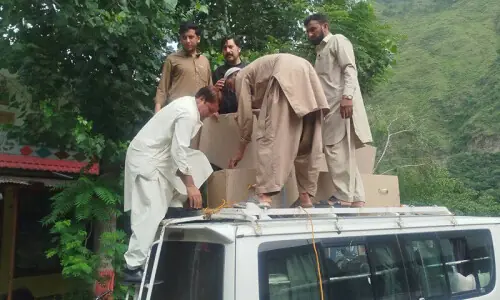
QUETTA: More than 300,000 people including minority Shias and Hindus have fled Pakistan's southwestern province of Balochistan over the past 10 years due to growing unrest, a rights group said Wednesday.
Tahir Hussain Khan, president of the Balochistan chapter of the independent Human Rights Commission of Pakistan(HRCP), said: “The figure of 300,000 is a considerable figure. The actual number of migrants may be higher but we could only authenticate this.”
On the other hand, Akbar Hussain Durrani, the provincial home secretary, accepted that the various groups had left but said the total was exaggerated.
“I dispute the figure of 300,000, I don't know where they have gathered these figure. Yes I accept that there was migration of these groups, but not at such a huge level that HRCP claims,” he said.
Also read: Meanwhile, in Balochistan…
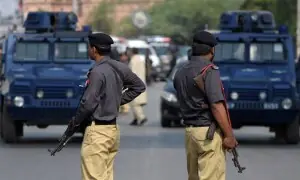
Resource-rich but poor Balochistan is in the midst of its fifth armed uprising against the Pakistani state, which began in 2004, while violence featuring sectarian groups like Lashkar-e-Jhangvi (LeJ) has also surged in recent years.
HRCP's Khan said the Hazara ethnic group was worst hit by the unrest, with as many as 200,000 of them relocating to Pakistan's major cities or abroad.
The community has come under increasing attack by extremists like LeJ because they are predominantly Shia and their Central Asian features make them stand out.
Explore more: Hazards of identity
At least 24 Hazara pilgrims were killed in June when their bus was targeted by suicide bombers.
Two devastating bombings in Quetta targeting the city's Shias killed nearly 200 people last year and were claimed by LeJ, which has links to Al Qaeda.
Around 10,000 Hindus have migrated from several areas of Balochistan after incidents of extortion, kidnapping for ransom and killings, Khan added.
He said the Hindus have settled in Sindh province and its main city Karachi, adding that his commission has received three complaints of forced religious conversions.
Know more: In the crosshairs
The rest of the migrants included around 300 Parsi families and 400 members of the relatively obscure Zikri sect.
Khan said the other 90,000 people who have fled are from the Punjabi and Urdu-speaking communities, who have left to avoid violence by Baloch nationalists fighting for a separate state.