0
0

1994: Pakistan and Iran start discussing gas pipeline project. 1995: Governments of Pakistan and Iran sign preliminary agreement.
1998: Iran proposes extension of pipeline to India. 1999: Governments of Iran and India sign preliminary agreement.
2003: Iran and Pakistan form Working Group. 2005: MoU is signed to include India in the project.
2007: After a long break, Pakistan, Iran and India resume talks on the project and agree on a tariff of $4.93 per million British thermal units. However, many of the technical details and issues related to price revision mechanism remain unresolved.
2008: Iran expresses interest in Chinese involvement in the project. 2009: India withdraws from the project after signing civilian nuclear deal with the US in 2008 citing security and pricing issues.
2009 (April): Pakistan’s cabinet approves Gas Sales Purchase Agreement (GSPA) with Iran. 2009 (May): Presidents Zardari and Ahmedinejad sign Inter-Governmental Framework Declaration. GSPA is also initialled on the occasion.
2010 (January): US asks Pakistan to quit the project and in return offered to assist in construction of LNG terminal and import of electricity from Tajikistan. 2010 (March): Pakistan and Iran sign agreement in Turkey for the construction of the pipeline.2010 (May): Iran and Pakistan sign sovereign guarantees agreement.
2010 (June): Pakistan and Iran sign export contract, binding Iran to supply gas from 2014. 2010 (June): US for the first time warns Pakistan of sanctions because of involvement with the project.
2011 (July): Iran announces that it has completed its section of the pipeline.
2012 (March): Industrial and Commercial Bank of China backs out of agreement to finance the gas pipeline because of US sanctions on Iran. Pakistan starts looking for alternate sources. Russian energy giant Gazprom expresses interest in the project.
2012 (April): Pakistan’s petroleum ministry floats tenders for construction of the gas pipeline. 2012 (October): Iran offers to finance one third of the cost of laying pipeline in Pakistan’s territory.
2013 (January): Pakistan’s federal cabinet ratifies the project.
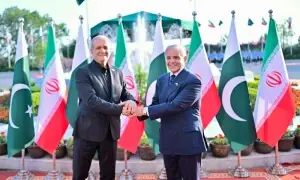
2013 (February): Iran and Pakistan agree on financing deal and conclude technical negotiations in Tehran. Iran’s Supreme leader Ayatollah Khameini tells President Zardari to disregard US pressure and go ahead with the project.
2013 (March 11): Ground breaking is performed.