LIBYA was supposed to be different. The lessons of Iraq and Afghanistan had been learned, David Cameron and Nicolas Sarkozy insisted last year. This would be a real humanitarian intervention.
Seven months on from Muammar Qadhafi’s butchering in the ruins of Sirte, the fruits of liberal intervention in Libya are now cruelly clear, and documented by the UN and human rights groups: 8,000 prisoners held without trial, rampant torture and routine deaths in detention, the ethnic cleansing of Tawerga, a town of 30,000 mainly black Libyans (already in the frame as a crime against humanity) and continuing violent persecution of sub-Saharan Africans across the country.
A year after the western powers tried to make up for lost ground in the Arab uprisings by tipping the balance of the Benghazi-led revolt, Libya is in the lawless grip of rival warlords and armed conflict between militias, as the western-installed National Transitional Council (NTC) passes Qadhafi-style laws clamping down on freedom of speech, gives legal immunity to former rebels and disqualifies election candidates critical of the new order. These are the political forces Nato played the decisive role in bringing to power.
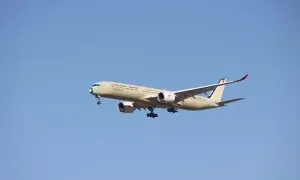
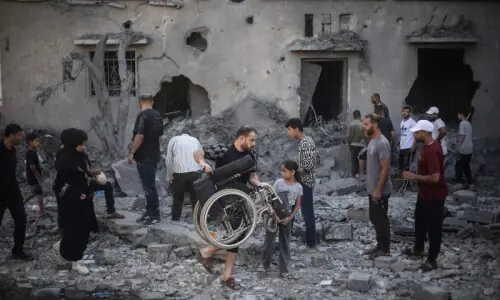
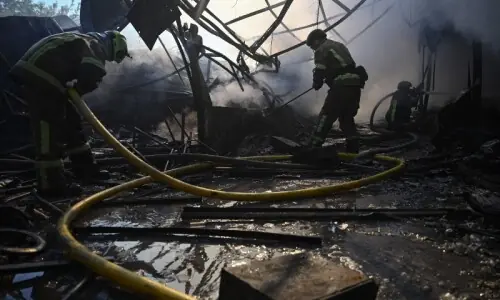
Now the evidence is starting to build up of what Nato’s laser-guided bombing campaign actually meant on the ground. The New York-based Human Rights Watch this week released a report into the deaths of at least 72 Libyan civilians, a third of them children, killed in eight separate bombing raids.
But while Nato’s UN mandate was to protect civilians, the alliance in practice turned that mission on its head. Throwing its weight behind one side in a civil war to oust Qadhafi’s regime, it became the air force for the rebel militias on the ground. So while the death toll was perhaps between 1,000 and 2,000 when Nato intervened in March, by October it was estimated by the NTC to be 30,000 — including thousands of civilians.
There were also Nato and Qatari boots on the ground, coordinating rebel operations. So Nato certainly shared responsibility for the deaths of many more civilian than its missiles directly incinerated.
That is the kind of indirect culpability that led to the conviction last month of Charles Taylor, the former president of Liberia, in the UN-backed special court for Sierra Leone in The Hague. Which pretty well describes the role played by Nato in Libya last year. — The Guardian, London