KARACHI: Beyond the headlines of terrorism, Pakistan’s economy is on the path of growth, senior fellow at the Foreign Policy Institute of the Johns Hopkins University School of Advanced International Studies, Afshin Molavi wrote in a recent issue of ‘The Washington Post’.
The writer says: “Shortly after Egypt’s 2011 uprising ended with the fall of President Hosni Mubarak, prominent Egyptian investor Ahmed Heikal said: “If we get things right, we could be Turkey in 10 years. If we get them wrong we could be Pakistan in 18 months”.
Everyone understood the subtext: Turkey was the model; Pakistan was the train wreck, said Molavi.
While Turkey had come off a decade of high growth; doubled its gross product over the previous decade and ’still was emerging market darling’ Pakistan was known for headlines of terrorism, instability, plus years of development and poverty. Here the writer changes his tone. “But not so fast. Look beyond the headlines and see Pakistan today.” It boasted the best stock market in Asia in 2016; it is winning plaudits from IMF and its economy is forecast for a healthy 5.2 per cent growth rate in 2017, according to World Bank.
Three key factors are identified as driving Pakistan’s economic awakening: An improved security climate, relative political stability and a growing middle class. “These three interlocking pieces are fueling Pakistan’s growth story”. In mid-May, the world’s largest research based provider of index funds, MSCI will officially “graduate” Pakistan from its frontier-market category to the more prestigious — and well capitalised — “emerging market” index.
Security situation: Pakistan may finally have gotten a reasonable handle on the deteriorating security climate — although attacks such as the suicide bombing at the Sufi shrine a week ago are likely to persist.
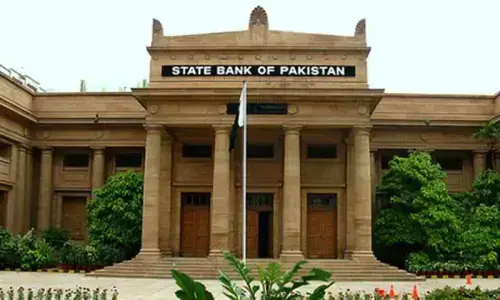
Middle class: Some estimates suggest that Pakistan middle class accounts for more than half the population. Brookings Institution scholar Homi Kharas argues that Pakistan’s consumer middle class market could hit $1 trillion by 2030. These middle classes are also attracting foreign investment. Quoting Ishrat Hussain, former governor SBP, the writer says: He told me that middle class was driving impressive 25pc rates of return for large multinational consumer companies such as Nestle and Proctor & Gamble and that the middle-class growth is sparking increased production of cement, steel automobiles and the like. Former governor SBP sees it as one of the key reasons for current bullishness of Pakistan.
But the biggest test for the country is to continue to deliver is its ability to overcome the electricity shortage problem, says the writer. “If Pakistan succeeds in taming its electricity gaps with China’s help, the virtuous circle of growth will continue, and a key South Asian, nuclear-armed power could be headed for a decade of normalcy”.
Published in Dawn, March 1st, 2017