47
47

ISLAMABAD: In a 182-page decision, the Supreme Court (SC) rejected all appeals against convictions handed down by military courts, including capital punishment, in terrorism-related cases on Monday.
The convicted, including Qari Zubair, Haider Ali, Qari Zahir Gul, Taj Mohammad, Atteeq-ur-Rehman, Akhtar Mahmood, Fateh Mohammad, Sher Alam, Mohammad Arabi and others, were found guilty of involvement in the Army Public School Attack in Peshawar, Parade Line bombing in Rawalpindi, the Bannu jailbreak and attacks on army convoys and installations.
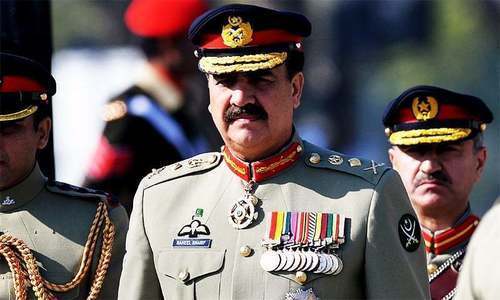
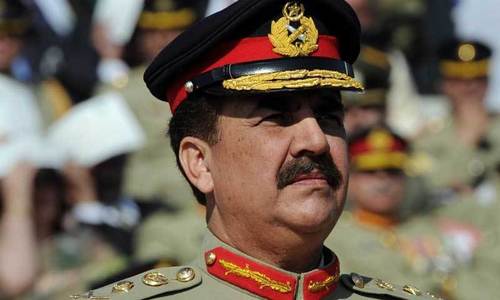
Chief of Army Staff (COAS) General Raheel Sharif had already rejected appeals of the 16 convicted in military courts.
The decision marks the first time the highest court has ruled on the legality of cases tried by the military. The bench ruled that the appellants had not proved the military violated their constitutional rights or failed to follow procedure, in a blow to some activists who contend the courts routinely violate people's rights.
A five-member bench had reserved its decision on 16 petitions on June 20, headed by Chief Justice of Pakistan Justice Anwar Zaheer Jamali and comprised of Justice Amir Hani Muslim, Justice Sheikh Azmat Saeed, Justice Manzoor Ahmed Malik and Justice Faisal Arab.
The counsel for the convicted had complained that their clients did not receive a fair trial, nor were they allowed to choose their counsel.
The SC argued that the conditions for a fair trial were met and the defendants had been provided with counsel.
The decision observed that, "Neither the order passed by the Field General Court Martial [military court] is a case of no evidence nor the evidence led by the prosecution is insufficient. There is sufficient material available to prove the guilt of the appellants."
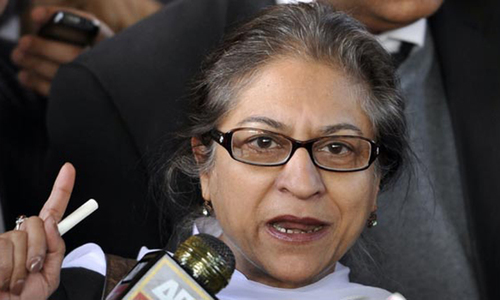
On June 20, rights activist Asma Jahangir appealed to the Supreme Court to order retrial in all cases in which military courts handed down convictions, including capital punishments.
Jahangir had complained that the full record of the evidence had not been made available to the accused. She also regretted that her clients had been arrested under the Action (In Aid of Civil Power) Regulation 2011 (AACPR) before military courts were established, but their cases were sent to military courts only to “hide malice on the part of security forces because the rule under which the accused had been nabbed had no constitutional protection”.
The government empowered military courts to try civilian terrorism suspects in January 2015, following an attack by Pakistani Taliban militants on a school in Peshawar that killed more than 130 pupils.
The military has so far convicted 104 civilians in the secret tribunals. Of those, 100 have been sentenced to death, and four to life imprisonment. All but six are said by the military to have confessed.
Those whose appeals were dismissed on Monday included nine members of the Tehreek-i-Taliban Pakistan (TTP) and two Al Qaeda members, according to Pakistan's military. Two convicts are said to have been involved in the Peshawar school killings.
Lawyers for all 16 convicts contended their clients had been tried in secret, without access to legal counsel of their choice, and that their confessions had been recorded illegally. They also claimed they were denied access to military court records when preparing their appeals.
The complaints echoed those made by lawyers and families of those convicted by the courts to Reuters. Two families and one lawyer said they had been threatened after filing appeals. Several told Reuters that confessions were "coerced" by the military.
Sajid Ilyas Bhatti, the deputy attorney general representing the government, denied the appellants' claims, saying they had been accorded their rights.
He argued that military court proceedings were "immune from challenge on the ground of any alleged violation of the fundamental rights".
In its 182-page judgment, the court concluded that the appellants failed to prove wrongdoing on the part of the military authorities.