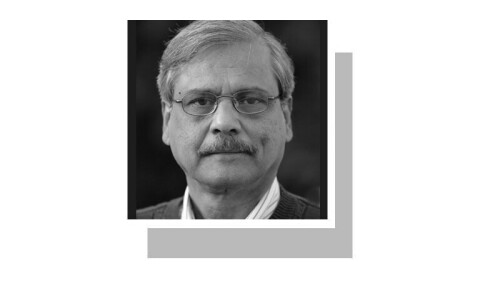
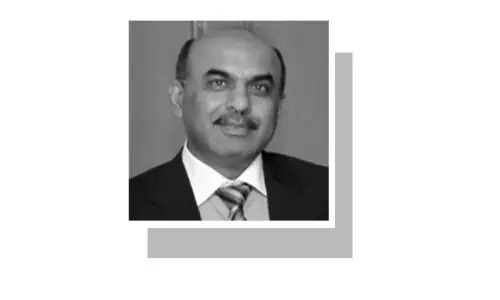
KARACHI: The repealed Police Order, 2002, which was meant to align police force with the Constitution and law, was a far better framework to govern the force than the existing one, said police and justice reforms specialist Dr Shoaib Suddle at a programme here on Wednesday.
The former police chief added that the Sindh government after repealing the Police Order, 2002, revived the Police Act of 1861 on the basis of the provincial autonomy given to the provinces under the 18th constitutional amendment though only the federal authority could repeal a federal law.
He was speaking on ‘Rule of Law Reforms’ during the session organised by the Pakistan Institute of Legislative Development and Transparency (Pildat).
The session, which was held to bring together varying views on the existing laws and the reforms within the structure of the police, included discussions on three basic concerns: the state and the kind of force it wants; structural reforms within the police force and the prosecution system of the province; and the necessity of providing legal aid to the deserving.
Among others, Muttahida Qaumi Movement (MQM) and Pakistan Peoples Party (PPP) lawmakers of the provincial and national assemblies attended the event.
Dr Suddle spoke extensively about problems in enacting police reforms that he said already existed but remained unimplemented. The Police Order, 2002, he added, was an ideal way of handing over tasks of registering the First Information Report, investigation, evidence gathering and prosecution among various departments within the police force. This collaboration would have lessened the existing burden on the police, he said.
The Police Act, 1861, was a “repressive structure of policing that was basically established to sustain colonial governments. There’s a difference between having a police force to invoke the writ of law and to invoke the rule of law”, said Dr Suddle.
Currently the tenure of a station house officer in police stations across the metropolis was three months, which did not help in implementing the system the country needed, he said.
At the same time, he said, the registration of “erroneous FIRs are the problem”, as the entire structure of the police depended on FIRs rather than evidence gathering and investigation. He also said video surveillance was the key in resolving policing issues of Karachi.
MQM member of the Sindh Assembly Kishwer Zahra said: “Members of the police need to be selected locally, as that way they would know the existing system of the city.” The comment went without much consideration, as the moderator of the session added that policing didn’t depend on identity rather skills.
Advocate at the Lahore High Court Ayesha Hamid spoke about the delay cases suffered due to adjournment, intimidation of witnesses and other factors. She was of the opinion that the registration of FIRs be made online to “provide an element of oversight to the police and prosecution services”. At the same time, forensic capability needed to be upgraded as well, she added.
Dr Sohail Shahzad, head of the faculty of law at the University of Hazara, Mansehra, talked about people in need of legal aid. He said the Public Defenders and Legal Aid Ordinance, 2009, was promulgated in 2010 to fill the gap in the legal aid provided to the people, but it lapsed in the Senate. The fragmented structure was at the root of the most problems, he said.
MQM MNA Fauzia Hameed spoke about the caucus on reforms on the rule of law that was formed in September last year with like-minded parliamentary leaders. So far the registration of online complaints, witness protection and legal aid office were some of the issues they had discussed, she said.
While answering a question in the end, Dr Suddle said that police represented the political structure of a city. Keeping the police understaffed with lower salaries was “an age-old tactic followed from the colonial times of keeping them under the foot. This way, they will do as the authority pleases,” he said.
Published in Dawn, February 11th, 2016