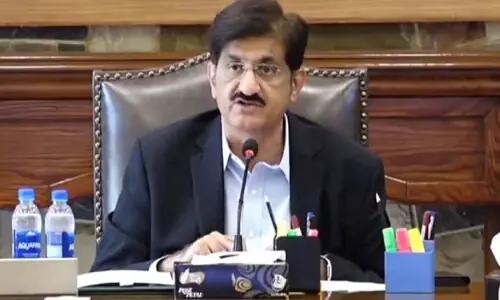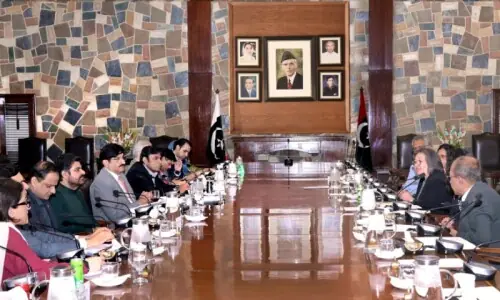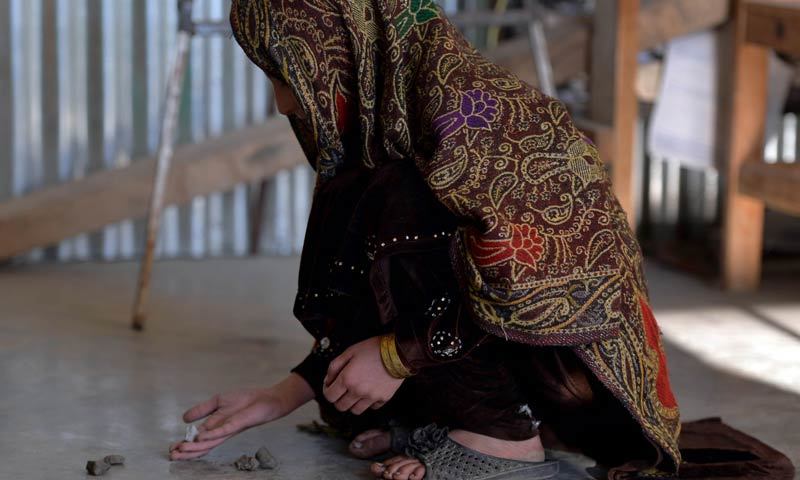


KARACHI: By pushing their children into a marriage before they reach the age of maturity, most parents don’t understand that their child is entering into a social contract where they need to understand their rights and responsibilities. This was one of the many points raised at a joint consultation held on Wednesday on the implementation of the Sindh Child Marriage Restraint Act of 2013.
Lawyer and human rights activist Maliha Lari explained the importance of age by citing the example of the law which the 2013 Act replaced –– the Child Marriage Restraint Act of 1929.
“The law was set before Independence and the main problem with this was the age of maturity,” she said.
“It was 16 for girls and 18 for boys because they say girls reach maturity before boys. But when it was time for implementation, the courts and Islamic law stated that if a girl has reached puberty, she was considered an adult and could get married.”
In the 2013 Act, the legal age of marriage is stated as 18, which according to Ms Lari, takes into consideration mental maturity.
Ms Lari said it was important to protect the rights of the child and getting underage children married was a crime punishable by law. In such cases the parents/guardians and the person who solemnises the nikah, along with any other facilitator can be sentenced to at least two years in prison.
She added that there were certain steps that needed to be taken immediately such as declaring such unions as illegal and giving children the chance to opt out. At present, divorce is necessary to dissolve a child marriage.
Ms Lari claimed it was also important to change the nikah form and ensure a proper computerised national identity card was being used, and not a school leaving certificate.
Lack of awareness, poverty, a sense of honour, fear and misconceptions about religion, according to Iqbal Detho and other human rights activists, are some factors why child marriages are still prevalent in the country.
They said that MPAs Rubina Qaimkhani and Sharmila Farooqui had taken some positive steps in this regard.
“After the 18th Amendment, the Sindh government came up with several laws on child rights and institutional mechanisms,” said Mr Detho. He added that protective measures must be institutionalised.
SSP Faizullah Korejo discussed the legal importance of the Act. He said underage marriage was a non-bailable crime and explained the role of the judiciary and police.
Mr Korejo added that determining the date of birth was vital to investigations regarding child marriages.
He also claimed that it was a big achievement that child marriage cases were now being dealt directly by district magistrates, as such cases and those relating to women’s issues were usually heard in family courts.
The event was organised by DevCon, an association for rural development. Social development consultant Bilqees Rehman and child rights activist Shafique Kandhro also spoke.
Published in Dawn, August 13th, 2015
On a mobile phone? Get the Dawn Mobile App: Apple Store | Google Play