WASHINGTON: Rape is the fastest growing crime in India, but still remains under-reported, according to the a US report on human right violations released on Friday.
According to official statistics, there were 33,707 cases of rape nationwide in 2013, the latest year for which data were available. This was an increase of 35.2 Per cent over 2012.
Women in conflict areas, such as in India-held Jammu and Kashmir, the north-east, Jharkhand and Chhattisgarh, as well as vulnerable women, including Dalit or tribal women, were often victims of rape or threats of rape. National crime statistics indicated that, compared with other caste affiliations, rape was most often perpetrated against Dalit women.
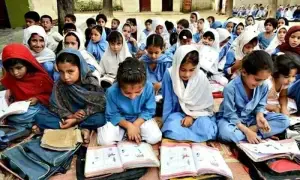
Although the law prohibits child abuse, it remained common in schools and institutional settings. The government failed to educate the public adequately against child abuse or to enforce the law.
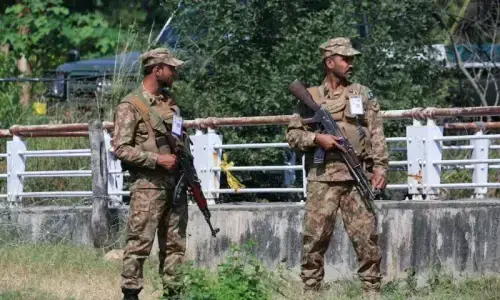
The Armed Forces Special Powers Act (AFSPA) remained in effect in Nagaland, Manipur, Assam, and parts of Tripura. The AFSPA allows Indian security agencies to use deadly force to “maintain law and order” if the central government declares a state or union territory as a “disturbed area”.
Non-governmental agencies claim that due to immunity provisions of the AFSPA, the armed forces were not held responsible for the deaths of civilians in India-held Jammu and Kashmir.
Insurgents in the north-eastern states and the Maoist belt also committed serious abuses and were responsible for numerous cases of murder, kidnapping, torture, rape, extortion, and the use of child soldiers, the report said.
According to India’s Internal Displacement Monitoring Centre, 540,000 persons were displaced by conflicts and instability in Kashmir, the north-eastern states and the Maoist belt.
The most significant human rights problems in India were police and security force abuses, including extra-judicial killings, torture, and rape.
Widespread corruption contributed to ineffective responses to crime, including those against women and members of scheduled castes or tribes. Societal violence based on gender, religious affiliation, and caste or tribe also continued, the US report said.
Published in Dawn, June 27th, 2015
On a mobile phone? Get the Dawn Mobile App: Apple Store | Google Play